
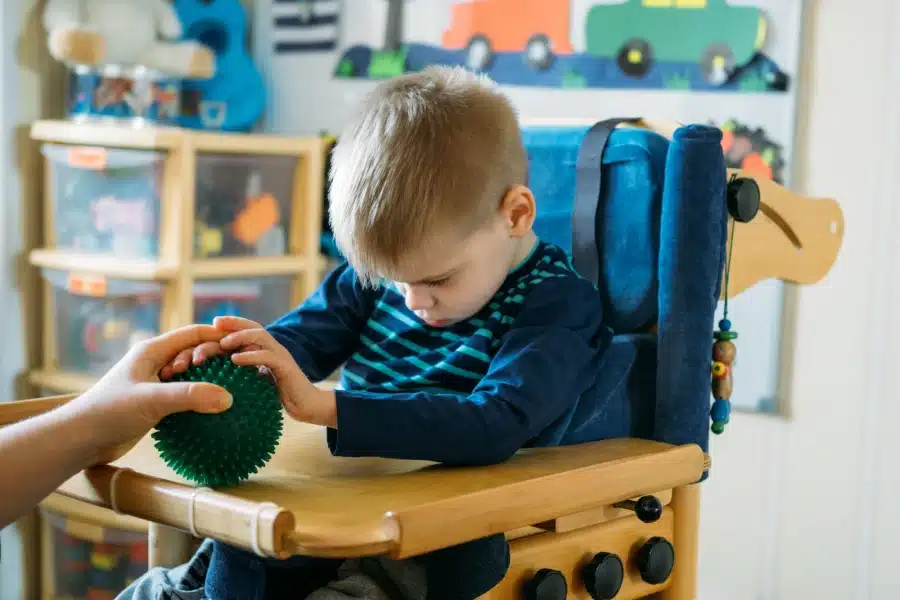
Cerebral palsy (CP) is one of the most common childhood disabilities, affecting millions of children worldwide. When your child is diagnosed with cerebral palsy, understanding how to access resources and support becomes critical. One of the most important forms of assistance for children with cerebral palsy is disability benefits.
To qualify for cerebral palsy disability benefits, parents must navigate a complex system of paperwork and medical documentation. This article will outline the process and give insight into how parents can apply for support while caring for their child.
What is Cerebral Palsy and How It Affects Children
Cerebral palsy is a neurological disorder that affects muscle control and movement. It is caused by damage to the brain areas responsible for muscle movement and coordination, often occurring during birth or early childhood.
The severity of the condition varies, and while some children with cerebral palsy can walk and speak, others face more significant challenges with motor functions, speech, and daily activities.
The Social Security Administration (SSA) recognizes cerebral palsy as a qualifying condition for disability benefits, provided that the child’s condition is severe enough to meet specific criteria.
In these cases, families may be able to receive financial assistance through programs such as Supplemental Security Income (SSI) or Social Security Disability Insurance (SSDI), depending on their financial situation and work history.
Qualifying for Disability Benefits: The SSA Criteria
To qualify for cerebral palsy disability benefits, parents need to demonstrate that their child’s condition is severe enough to interfere with their ability to perform daily activities. The SSA uses specific guidelines to determine if a child with cerebral palsy qualifies for benefits.
One key aspect the SSA considers is disorganization of motor function. This includes limitations in the child’s ability to use their limbs or control movements in a functional way. If the child has difficulties with tasks like standing, walking, or using their arms and hands, these limitations can support their eligibility for disability benefits.
Additionally, the SSA may evaluate the child’s ability to engage in cognitive and social tasks. This includes problems with memory, learning, understanding information, and interacting with others. If cerebral palsy significantly interferes with a child’s ability to perform these tasks, they may meet the SSA’s criteria for disability.
Other Qualifying Factors for Cerebral Palsy Disability Benefits
Beyond motor limitations, the SSA considers other factors, such as:
- Cognitive impairments: If cerebral palsy affects learning, memory, or decision-making abilities.
- Speech or communication difficulties: If the child struggles with speaking or understanding speech.
- Physical limitations: If the child cannot perform basic activities like feeding themselves, dressing, or bathing independently.
- Seizures or other related health issues: Many children with cerebral palsy experience related health conditions such as seizures, which may further impact their eligibility.
A child with cerebral palsy may qualify for disability benefits if they meet one or more of these criteria, as long as their condition prevents them from functioning in typical social, academic, or family settings.
The Application Process for Cerebral Palsy Disability Benefits
Applying for cerebral palsy disability benefits involves several steps. First, parents must gather medical documentation that clearly outlines their child’s condition. This includes records from doctors, therapists, and specialists who can confirm the severity of the disability and its impact on the child’s life.
Once the documentation is ready, parents must submit an application through the SSA. This process can be done online, over the phone, or at a local SSA office. After submission, the SSA will review the application and determine if the child meets the qualifications for disability benefits.
If the initial application is denied, parents can appeal the decision and submit additional evidence or undergo further medical evaluations to strengthen their case.
Given the complexity of the process, parents may find it helpful to seek assistance from professionals who specialize in disability claims, such as a lawyer or an advocate familiar with cerebral palsy disability benefits.
Support Programs for Children with Cerebral Palsy
In addition to disability benefits, families may explore other programs designed to assist children with cerebral palsy. For example, Colorado Children’s Home and Community-Based Services (CHCBS) offers support to children with medical needs, so they can receive care in the comfort of their own homes. These services can be tailored to meet the specific needs of each child and family.
Programs like In-Home Supportive Services (IHSS) can also bring resources for families in need of financial assistance or in-home caregiving assistance.
These services provide direct care for children with disabilities and help parents manage daily tasks while guaranteeing their child’s needs are met.
The Role of Professional Caregivers in Disability Benefits Applications
Many families turn to professional caregivers to help manage the day-to-day care needs of children with cerebral palsy. For some, the help of a trained caregiver makes all the difference in applying for and qualifying for cerebral palsy disability benefits.
At Voyager Home Health Care, we deliver specialized caregiving services tailored to families dealing with cerebral palsy and other medical needs. Our team is experienced in working with children who require constant care, from assistance with daily activities to providing emotional support.
Through programs like Parent CNA and Family CNA, we offer families the opportunity to get trained as caregivers for their children. This allows them to be fully involved in their child’s care while receiving compensation for their efforts.
These programs also play a crucial role in helping parents demonstrate the severity of their child’s disability, which can strengthen their application for disability benefits.
How Voyager Home Health Care Can Assist
At Voyager Home Health Care, we understand the challenges families face when applying for cerebral palsy disability benefits. We are committed to offering quality, compassionate care to children with disabilities.
Our team is dedicated to helping families navigate the process of applying for disability benefits, while also providing the in-home care your child needs to thrive.
We present a range of services designed to support children with cerebral palsy, including in-home care, therapy, and caregiver training programs. To learn more about how we can assist you in your disability benefits journey, please contact us today.
