
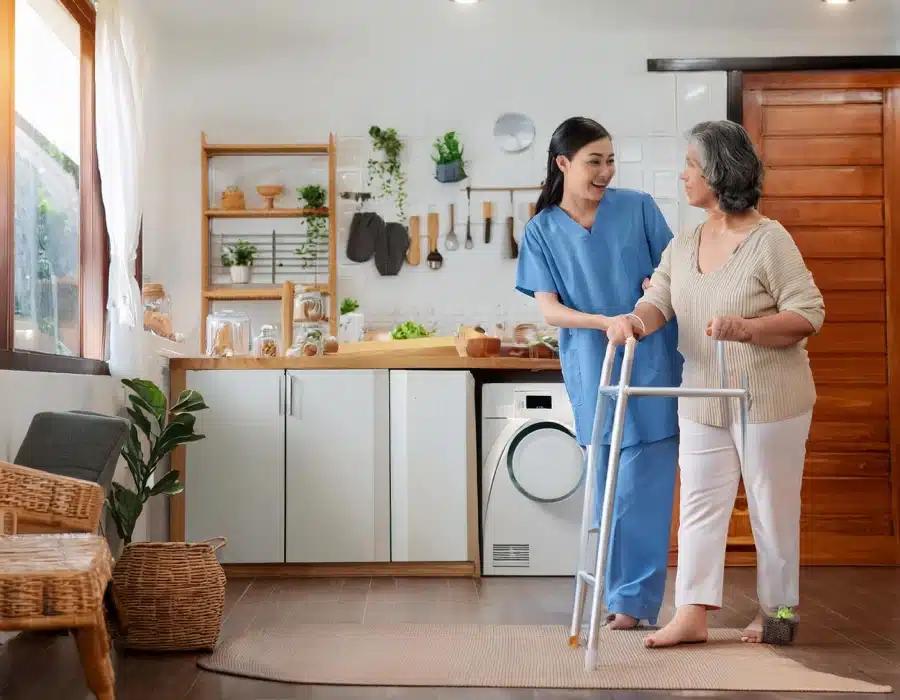
Caring for a loved one at home is a rewarding but challenging responsibility. For families seeking assistance, hiring a professional with the right home health aide skills can make a significant difference in the quality of care.
A home health aide (HHA) plays a crucial role in providing both medical and non-medical services, from administering medications to offering emotional support.
With the right training and skills, an HHA makes sure that families can trust the caregiving process. In this article, we will explore the core skills that every family home health aide should possess and how these skills make a profound impact on patient care.
What Does a Home Health Aide Do?
A home health aide is responsible for helping patients with daily living activities in their homes. These activities include bathing, dressing, and assisting with mobility, as well as bringing companionship and guaranteeing safety.
Many HHAs also offer basic medical services like monitoring vital signs and administering medications. The role is essential for individuals who need ongoing care but prefer to remain in a familiar environment.
These aides work under the supervision of healthcare professionals. They play a vital part in helping patients maintain independence while receiving the care they need.
Effective Communication and Interpersonal Skills
One of the most important home health aide skills is effective communication. An HHA must be able to clearly and compassionately interact with patients, family members, and other healthcare providers. Strong communication guarantees that the patient’s needs are met and that everyone involved in the care process is well-informed.
Communication is also important when discussing medical concerns or answering questions about treatment. HHAs must be able to explain instructions in simple terms and give updates on the patient’s condition.
Having good interpersonal skills is equally vital, as HHAs often develop a close rapport with patients. This can improve the quality of care and the patient’s emotional well-being.
Compassion and Empathy
Compassion and empathy are essential home health aide skills, helping HHAs connect with patients facing physical or emotional pain. These abilities foster trust and make care less intimidating.
Showing kindness and patience is vital, especially for long-term care, where emotional support is as important as physical assistance.
Organizational and Time Management Skills
Being organized and managing time effectively is another key home health aide skill. HHAs often work with multiple patients, each requiring a different set of care activities. Managing a busy schedule and keeping track of medication administration times, doctor visits, and other important tasks is essential for the smooth running of the care process.
For families, having a caregiver who can organize and prioritize tasks allows them to focus on spending quality time with their loved ones. It also reduces the stress that can arise from disorganization and missed appointments.
Adaptability and Flexibility
Care needs can change quickly, and an HHA must be adaptable and flexible in responding to these changes. If it’s adjusting to a change in the patient’s condition or dealing with an unexpected shift in the schedule, flexibility is analytical for an HHA to succeed.
This skill is especially important in-home health care, where caregivers must be prepared to meet the unique needs of each patient. Adaptability also involves the willingness to learn new tasks, techniques, and technology that may arise in the care process.
Basic Medical Knowledge
Although HHAs are not expected to perform complex medical procedures, they must have basic medical knowledge to help with day-to-day tasks. Understanding how to monitor vital signs like blood pressure, temperature, and pulse rate is a common part of the job.
An HHA must also have knowledge of common medical conditions, medications, and treatments. This knowledge helps them identify any changes in the patient’s condition and respond appropriately.
For instance, HHAs may be asked to help manage chronic conditions like diabetes or provide support to patients who are recovering from surgery.
Physical Strength and Stamina
Providing home care can be physically demanding. HHAs often assist with mobility, including transferring, walking, or repositioning patients, requiring strength and stamina. For patients with complex needs, such as post-surgery recovery or frailty, the HHA’s physical endurance is crucial.
Maintaining physical health is essential to avoid burnout and deliver high-quality, compassionate care effectively.
Tackling Unexpected Situations
Every day can present new challenges in home care. HHAs must be able to think analytically and make quick decisions when faced with unexpected situations.
If it’s determining how to address a sudden change in the patient’s condition or finding a solution to a logistical issue, problem-solving is an important skill for HHAs.
For example, an HHA may need to assess a patient’s symptoms and decide if they need immediate medical attention or if the situation can wait. The ability to remain calm and solve problems efficiently is vital in maintaining a high standard of care.
Cultural Sensitivity and Respect
Home health aides work with a diverse range of patients. Being culturally sensitive and respecting patients’ beliefs, preferences, and values is essential in providing personalized care. An HHA who takes the time to understand the cultural background of their patient can build trust and improve the patient’s comfort level.
Respect for cultural differences makes sure that the caregiver can meet the unique needs of each individual. This skill is especially valuable when working with patients from varied cultural, ethnic, or religious backgrounds.
Professionalism and Confidentiality
Professionalism is fundamental for HHAs, requiring adherence to ethical guidelines and patient confidentiality. HHAs often handle sensitive personal and medical information in private homes, so discretion is key.
They must respect patients’ autonomy and make decisions in their best interest. For vulnerable patients, an HHA’s professionalism builds trust and ensures confidence in the caregiving process.
Continuous Learning and Self-Improvement
The healthcare field is always evolving, and HHAs must be committed to continuous learning. Staying up to date with new medical procedures, caregiving techniques, and changes in patient care can help an HHA offer the best possible service.
At Voyager Home Health Care, we prioritize training and offer programs for Colorado paid caregivers that help them improve their skills. This confirms that caregivers are equipped to handle the changing needs of their patients and keep up with the latest industry standards.
Contact Us for More Information
Mastering home health aide skills is the foundation of providing exceptional care. At Voyager Home Health Care, we believe in hiring caregivers who possess these core abilities to make sure the well-being of the patients we serve. Our team is dedicated to helping families by delivering professional and compassionate care services.
If you are looking for assistance or have questions about our services, please contact us today.
