
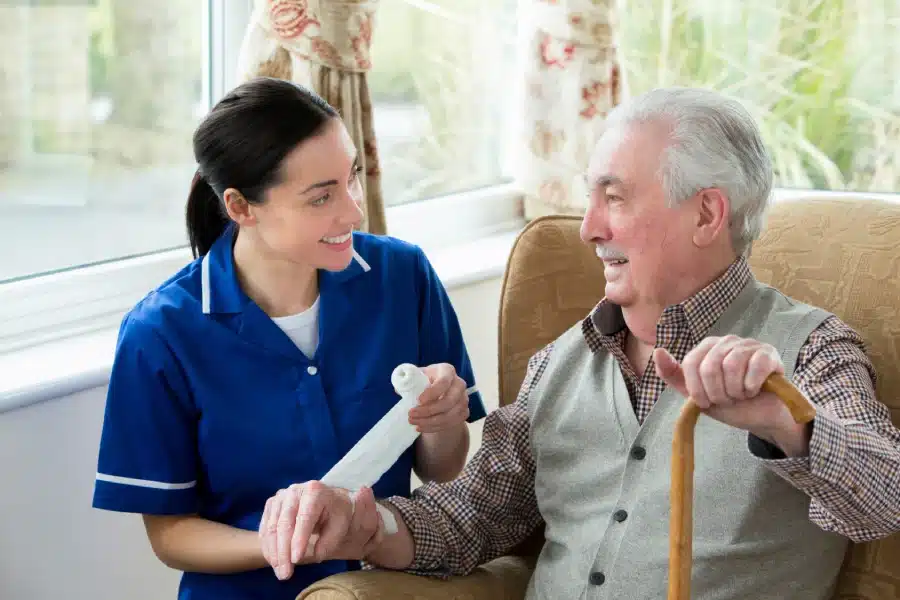
When a loved one is recovering from surgery, injury, or a chronic condition, proper wound care becomes an essential part of the healing process. Many families choose home-based care because it allows patients to recover in a familiar and comfortable environment while still receiving professional support.
Understanding how wound care home health works helps families prepare for each stage of care, from routine dressing changes to monitoring for complications.
In Colorado, these services are often paired with caregiver programs such as a Colorado paid caregiver. They create a more consistent and structured approach to recovery at home.
What Is Wound Care Home Health?
Wound care home health refers to medical and supportive services delivered in a home setting to treat wounds and guide the healing process. Care is typically handled by trained professionals or coordinated caregivers who follow medical instructions and established care plans.
Patients receiving care at home may be dealing with post-surgical wounds, pressure ulcers, diabetic foot wounds, skin injuries from falls, or chronic wounds that require ongoing attention.
The main focus remains on reducing infection risk, managing discomfort, and encouraging proper healing without the need for extended hospital stays.
What To Expect During Wound Care At Home
Initial Assessment And Care Plan
The first step in wound care home health is a thorough evaluation of the wound. A healthcare provider will:
- Examine wound size, depth, and condition
- Identify signs of infection or complications
- Create a customized care plan
- Establish dressing change schedules
Regular Dressing Changes
Wound care often includes scheduled dressing changes to keep the area clean and protected. Caregivers or healthcare professionals will:
- Remove old dressings safely
- Clean the wound using appropriate solutions
- Apply medication or prescribed treatments
- Place fresh sterile dressings
Consistency is critical to preventing infection and supporting healing.
Infection Prevention And Monitoring
One of the most important aspects of wound care is preventing infection.
During home visits, caregivers will monitor for:
- Redness or swelling
- Unusual odor or discharge
- Increased pain or warmth around the wound
- Delayed healing signs
Pain Management Support
Wound care can sometimes be uncomfortable. Home health providers work to:
- Minimize discomfort during dressing changes
- Follow prescribed pain management instructions
- Monitor patient response to treatment
Comfort is a key part of the recovery process.
Coordination With Medical Professionals
Wound care at home is often part of a broader medical plan. Caregivers may:
- Report progress to nurses or physicians
- Adjust care routines based on medical instructions
- Support follow-up appointments if needed
This ensures continuity between home care and clinical oversight.
Role Of A Colorado Paid Caregiver In Wound Care
A Colorado paid caregiver often plays an important role alongside medical professionals in wound care home health. While they do not perform clinical treatments, they assist with daily tasks that influence recovery.
This may include maintaining hygiene around the wound area, helping patients stay in positions that reduce pressure, assisting with safe movement, and keeping the home environment clean. These day-to-day actions contribute to a safer healing process.
Emotional And Daily Support During Recovery
Healing involves more than physical care. Patients often face emotional challenges during recovery, especially when mobility or independence is limited.
Home caregivers help create a steady routine, assist with meals, and offer companionship that keeps patients engaged. Encouragement during difficult moments can make a meaningful difference in how individuals experience the recovery process.
Areas We Serve For Home Health Care
Wound care home health services are available across many regions in Colorado, depending on local coverage and patient needs.
Families in the areas we serve can access coordinated care that may include in-home nursing, caregiver assistance programs, and flexible scheduling for home visits. This structure helps maintain consistency in treatment regardless of location.
Benefits Of Wound Care At Home
Receiving care at home often improves comfort since patients remain in a familiar space. It can also reduce the need for repeated hospital visits when wounds are managed properly.
Care plans are tailored to each individual, which allows for closer attention to progress and changing needs. Family members stay involved throughout the process, which helps them stay informed and engaged in recovery.
When To Seek Professional Help Immediately
Families should contact a healthcare provider if they notice:
- Sudden increase in pain
- Signs of infection
- Fever or worsening condition
- Wound not improving over time
Early intervention is essential for preventing complications.
Final Thoughts
Wound care home health gives patients a structured way to recover at home while still receiving professional attention. A clear understanding of the process helps families feel more confident as they manage daily care and monitor healing progress. In Colorado, combining wound care home health with the assistance of a Colorado paid caregiver creates a reliable system that strengthens both safety and consistency.
If you are exploring wound care home health for yourself or a loved one, reach out to Voyager Home Health Care today to learn how our team can help you move forward with confidence.
