
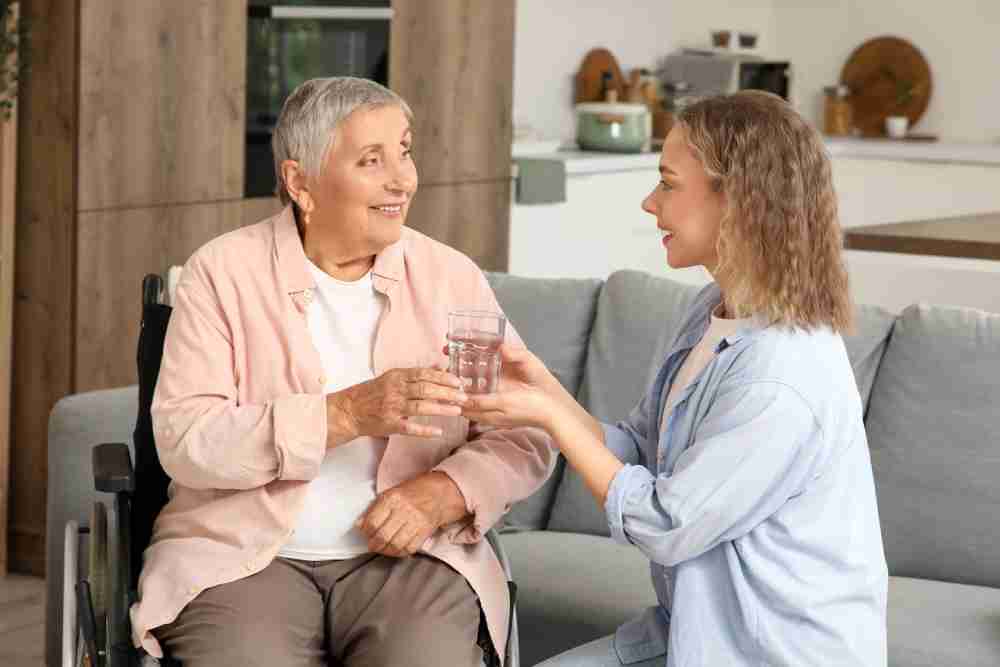
The In-Home Supportive Services (IHSS) program provides support that allows loved ones to age or live with disabilities in the comfort and familiarity of their own homes. The program encompasses a wide range of services, from assistance with daily personal care to help with household tasks. Among these services, one is particularly unique and often misunderstood: Protective Supervision.
In this article, we’ll explore several real-life IHSS protective supervision examples, offering a clear understanding of how this service works in practical settings. We’ll discuss the scenarios where protective supervision is required, the level of care provided, and how it ensures the safety and independence of those in need.
What Is IHSS Protective Supervision?
Protective supervision is a service within the In Home Support Services (IHSS) program designed to keep individuals safe, especially those who may be prone to accidents, falls, or wandering. It provides oversight for individuals who need assistance with daily activities but also require someone to monitor their safety throughout the day and night.
In some cases, individuals may have cognitive impairments, physical disabilities, or mobility challenges that make it difficult for them to live independently without additional support. IHSS protective supervision ensures that these individuals receive the attention they need to stay safe and avoid potential risks.
This service can be particularly beneficial for seniors, individuals with developmental disabilities, and those with conditions like Alzheimer’s or other forms of dementia. The role of caregivers providing protective supervision is to actively watch for potential hazards, assist with movement when necessary, and prevent dangerous situations such as falls, confusion, or accidents with appliances.
Real-Life Examples of IHSS Protective Supervision
To understand better how it works, consider some real-life examples below.
Example One: Senior with Alzheimer’s Disease
One of the most common IHSS protective supervision examples involves seniors with Alzheimer’s disease or other forms of dementia. In these cases, the person may forget basic safety precautions or become disoriented, increasing the risk of accidents.
For instance, an elderly woman in the early stages of dementia may forget that the stove is on or may leave the house without realizing she is outside her safe environment. A caregiver providing protective supervision would ensure she remains in a safe, monitored environment. This could involve gently reminding her to turn off appliances, making sure doors are locked, and minimizing the risk of wandering.
In this scenario, the caregiver’s role is to actively ensure the individual’s safety throughout the day and night, providing peace of mind for both the patient and their family.
Example Two: Adult with a Physical Disability
A young adult with a physical disability that limits mobility might need protective supervision during certain tasks, such as transferring from a wheelchair to a bed or using the bathroom. While the individual can manage most daily activities independently, the risk of falling or injuring themselves during these transitions is significant.
In this case, a caregiver would monitor the patient closely while they move around, offering support as needed to prevent falls or accidents. Protective supervision could involve ensuring that pathways are clear, assisting with repositioning, or providing guidance on proper techniques to prevent injury.
This type of supervision is necessary for individuals who need help but still want to maintain as much independence as possible. The caregiver’s job is to step in when necessary to ensure safety while encouraging autonomy in non-risky situations.
Example Three: Blind Individual with Limited Mobility
For a blind individual who has limited mobility and difficulty navigating their home, protective supervision can be a game-changer. These individuals may struggle with everyday tasks like moving between rooms, cooking, or getting to the bathroom. They may also be at risk of bumping into obstacles, falling, or accidentally leaving doors or windows open.
A caregiver providing protective supervision for this individual would guide them around the house, ensuring their environment is safe. The caregiver might use verbal cues to help the individual navigate or keep the area free from obstacles. This service is especially helpful for individuals with sensory impairments who are unable to detect immediate risks in their surroundings.
How Protective Supervision Helps with Daily Living Activities
IHSS protective supervision is closely tied to activities of daily living (ADLs), which are essential tasks that individuals perform daily to maintain their health, well-being, and independence. These include bathing, dressing, grooming, eating, and mobility. For individuals who are at risk due to their age or disability, protective supervision ensures they can perform these tasks safely.
For example, an individual who struggles with balance or suffers from conditions that affect their strength and coordination may need help while bathing or dressing.
Protective supervision ensures that they are monitored while doing these tasks, preventing falls or accidents. The caregiver might assist with physical support during these activities, such as helping them stand or sit, while also removing hazards from the bathroom or living area, such as water spills that could lead to slips.
For those who have cognitive impairments, like dementia, protective supervision also ensures that individuals do not become confused while performing basic tasks, like using the stove or managing medications. The caregiver’s role is to remind the individual about safety precautions and intervene when necessary.
For individuals with mobility issues or difficulty with basic self-care, protective supervision ensures they can complete daily tasks with the support they need, while still maintaining as much independence as possible. The caregiver monitors and helps when needed, making sure the individual stays safe while still retaining a sense of autonomy.
How IHSS Protects Individuals from Safety Hazards
The primary goal of IHSS protective supervision is to reduce safety hazards and prevent accidents in the home. Without the proper oversight, individuals may engage in risky behavior that could lead to injury. By providing continuous monitoring, caregivers can spot potential hazards and take action to eliminate them before they cause harm.
One common safety issue is the risk of falls. For individuals who are physically frail or have limited mobility, falls are a major concern. A caregiver providing protective supervision can help by removing clutter from hallways, securing rugs, and providing mobility aids like walkers or grab bars where needed.
In cases of individuals with cognitive impairments, protective supervision helps prevent wandering. For example, if a person with Alzheimer’s disease tries to leave the house without realizing it’s unsafe to do so, the caregiver can intervene quickly, guiding them back inside safely and ensuring they don’t leave the premises unattended.
The protection extends beyond just physical hazards; caregivers also ensure that individuals are safe from potential confusion or hazardous actions due to impaired judgment, such as turning on a stove or forgetting to take necessary medications.
The Role of the IHSS Protective Supervision 24-Hour Plan
For some individuals, the need for protective supervision doesn’t end after a few hours of monitoring. In these cases, families may require an IHSS protective supervision 24-hour plan to ensure continuous care and oversight. This plan is designed for individuals who are at a high risk of injury or unsafe situations and require round-the-clock support.
A 24-hour care plan typically involves a caregiver who is present throughout the day and night, keeping the individual safe even during late hours or while sleeping.
For individuals with conditions like advanced Alzheimer’s or severe mobility issues, there is a need for constant supervision. A caregiver is always available to assist with personal care tasks, prevent wandering, and monitor for safety hazards such as fires or other emergencies.
This 24-hour plan can be customized to suit the individual’s needs. For example, some individuals may require a live-in caregiver, while others may benefit from a rotating schedule of caregivers. Under this plan, individuals are never left unsupervised, preventing accidents that could occur when help is not immediately available.
The IHSS protective supervision 24-hour plan is particularly valuable for families who have limited resources or who may not be able to stay with their loved ones around the clock. By entrusting this responsibility to trained caregivers, families can make sure that their loved ones receive consistent, high-quality care without the stress of needing to manage the situation on their own.
The Importance of IHSS Protective Supervision for Families
Many caregivers experience emotional and physical strain when caring for loved ones, especially if they are worried about their safety or need to provide 24/7 care. By relying on the IHSS program, families can alleviate some of the stress and responsibility while knowing that their loved one is in good hands.
The IHSS protective supervision service also helps families maintain their own well-being. For example, family caregivers may have to juggle other responsibilities, such as work, taking care of other children, or managing household tasks. With the support of trained caregivers, family members can take breaks and focus on other areas of their lives without sacrificing the care their loved one receives.
Additionally, having a professional caregiver involved allows families to have open and transparent communication with healthcare professionals. The caregivers working through IHSS programs often document and track changes in the individual’s condition, allowing families to stay informed and involved in their loved one’s health care.
This collaborative approach can improve overall care quality and strengthen the relationship between families and healthcare providers.
Families also benefit from the personalized care offered by the IHSS program. The care plan is tailored to meet the unique needs of the individual, whether they need assistance with mobility, meal preparation, or protection from wandering. This flexibility allows families to ensure that their loved one’s care is as comprehensive and efficient as possible.
How to Qualify for IHSS Protective Supervision
To qualify for IHSS protective supervision, individuals must meet specific eligibility criteria, and families must go through a detailed application and assessment process. The first step is to ensure that the individual is eligible for Medicaid in Colorado. In addition, applicants must fall into one of the following categories:
- Seniors (65+): Older adults who need help with activities of daily living, such as bathing, dressing, eating, or moving around.
- Adults with Disabilities: Individuals who require assistance with personal care or daily tasks.
- Blind Individuals: Those who need extra help with mobility or other tasks.
Once eligibility is established, the next step is an assessment by a healthcare professional. This assessment helps determine the level of assistance required and what services will be included in the protective supervision plan. Depending on the individual’s condition, a Pediatric Assessment Tool may be used if the person is under the age of 21.
Once the assessment is complete, a case manager will work with the family to create a personalized care plan, specifying the type of assistance required, the number of hours of supervision, and any other specific needs. This plan ensures that the protective supervision services are tailored to meet the individual’s unique situation.
Types of Services Offered Through IHSS Protective Supervision
Once protective supervision is authorized through the IHSS program, individuals can receive a wide range of support services. These services are personalized to meet the unique needs of the individual and can include:
- Personal Care Assistance: Help with daily activities like bathing, dressing, grooming, and mobility.
- Meal Preparation: Assistance with cooking and meal setup, ensuring individuals receive proper nutrition.
- Transportation: Support for medical appointments, social outings, or other essential tasks.
- Protective Supervision: Continuous oversight to prevent falls, wandering, and other risks that might occur during daily activities.
Each care plan is designed to provide the right balance of support and independence. The service can be provided for a set number of hours per day, depending on the individual’s needs, and may be adjusted as their IHSS protective supervision requirements change over time.
Families can also request additional services, such as medication management or light housekeeping, to further enhance the care plan.
Maintaining Safety and Independence with IHSS Protective Supervision
The IHSS protective supervision program offers a vital service for individuals who require oversight to remain safe in their homes. By providing tailored, hands-on care, caregivers help individuals maintain their dignity, safety, and independence, whether they need help with daily living activities or require 24-hour supervision to prevent accidents.
At Voyager Home Health Care, we are committed to offering the highest quality IHSS services, giving individuals and families the support they need to live safely and independently at home. If you or your loved one could benefit from IHSS protective supervision, we invite you to contact us today to learn more about eligibility, services, and how we can help.
