
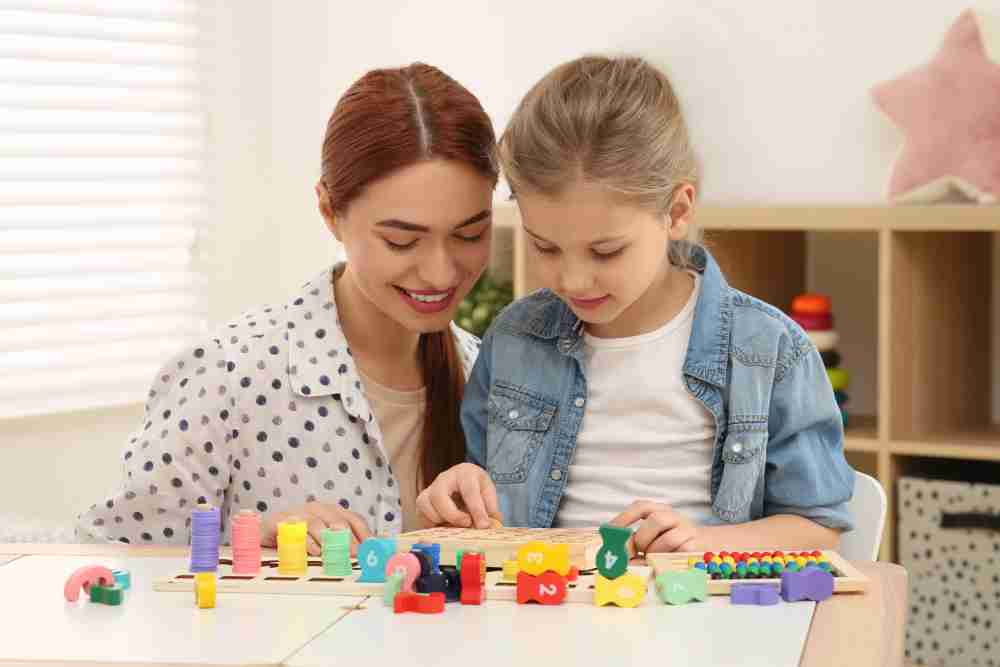
When caring for a child with autism, creating a safe, comfortable, and sensory-friendly environment makes all the difference in their emotional well-being and development. Autism spectrum disorder (ASD) is characterized by a range of sensory sensitivities that can significantly impact a child’s daily life.
The home should be a place where they can feel safe, calm, and understood. Creating a sensory-friendly environment involves making small, thoughtful adjustments that help a child regulate their senses and manage their emotions. These autism accommodations at home can help reduce meltdowns and promote cognitive development.
At Voyager Home Health Care, we understand the importance of creating a supportive environment for children with autism. Our Colorado Children’s Home and Community Based Services (CHCBS) program offers resources and services designed to help families create environments where children with autism can live, grow, and succeed. We help families implement effective sensory-friendly accommodations to make children feel safe and supported at home.
Understanding Sensory Sensitivities in Children with Autism
Before getting into the accommodations, let’s first understand an autistic child’s unique sensory needs.
What Are Sensory Sensitivities?
Sensory sensitivities are one of the defining features of autism, with many children experiencing heightened or diminished responses to sensory stimuli. Sensory processing refers to the way our brains receive and interpret information from our five senses: sight, sound, touch, taste, and smell.
For children with autism, these sensory experiences can often feel overwhelming or underwhelming, leading to difficulties in processing the world around them.
Some children with autism may have hypersensitivity, which means they react strongly to certain stimuli, such as loud noises, bright lights, or certain textures. Others may experience hyposensitivity, meaning they do not respond to sensory input in the same way, for instance, showing little reaction to pain.
These differences in sensory processing can create significant challenges for children with autism in everyday life, making environments such as schools, public spaces, and even the home overwhelming.
The Impact of Sensory Sensitivities on Daily Life
For children with autism, sensory sensitivities can lead to behaviors such as meltdowns, difficulty focusing, or withdrawal from social interactions. These challenges often arise when children are exposed to sensory input that they find overstimulating or underwhelming.
For example, the bright lights in a grocery store, the sound of a vacuum cleaner, or the feeling of certain fabrics can trigger distress in children with hypersensitivity. In contrast, a child with hyposensitivity may seek out sensory experiences, such as touching everything in sight, in order to feel stimulation.
Making autism accommodations at home involves thoughtful adjustments to the environment to reduce sensory overload and create a more comfortable space for the child. A sensory-friendly home is designed to accommodate these sensitivities, providing a space where children with autism can feel at ease, engage in activities, and develop positive coping strategies.
Creating an Autism Home Sensory Room
An autism home sensory room is a dedicated space designed to help children with autism manage sensory input in a controlled and safe environment. These rooms are tailored to meet the specific sensory needs of the child, with the goal of creating a calming and stimulating atmosphere that promotes relaxation, focus, and emotional regulation.
The sensory room offers a space where children can retreat when feeling overwhelmed and engage in activities that help them calm down or self-regulate.
Sensory rooms can vary greatly depending on the child’s needs and preferences. The idea is to create a sensory-rich environment that engages all the senses in a controlled and positive way. These rooms often include items that provide both soothing and stimulating sensory input, allowing children to choose activities that help them feel comfortable and supported.
Key Features of an Autism Home Sensory Room
The design of an autism home sensory room should take into account the child’s specific sensory sensitivities and preferences. Several key features can be incorporated into the space to enhance its sensory-friendly nature.
- Lighting: Soft, adjustable lighting can create a calming atmosphere. Bright or harsh lights can be overwhelming for children with autism, so using soft, dimmable lights or LED strip lights can provide the right level of illumination. Fiber optic lights or light projectors are also great options for providing a gentle visual experience.
- Sound: Reducing loud or jarring sounds is another important accommodation. Noise-canceling headphones or a white noise machine can help block out disruptive noises. Calming background music or nature sounds can also be used to create a soothing auditory environment.
- Textures: Providing a variety of tactile experiences can be beneficial. Sensory rooms can include soft pillows, textured blankets, and sensory toys like squishy balls or fabric swatches for tactile engagement. These textures help children with autism either soothe themselves or engage in sensory exploration.
- Seating and Comfort: Comfortable seating options, such as bean bags or cushioned mats, can help children feel at ease in the room. These items provide a safe space for children to relax and focus without feeling constrained or overstimulated.
- Interactive Sensory Tools: Sensory rooms often include tools such as bubble tubes, sensory swings, or weighted blankets, all of which provide different types of sensory feedback. These tools can be helpful in reducing anxiety and promoting focus and relaxation.
Other Sensory-Friendly Accommodations at Home
Beyond the sensory room, there are many other ways to make accommodations within the home to promote sensory regulation and reduce sensory overload.
Adjusting Lighting and Sound in the Home
The overall lighting and sound environment in the home can play a significant role in how children with autism experience their surroundings. In addition to using soft, adjustable lighting in the sensory room, consider using dimmers or installing curtains to control the amount of natural light in other areas of the home. LED lights with adjustable brightness can help create a calming environment in bedrooms or living spaces.
Consider reducing noise in the home by using rugs or curtains to absorb sound or by setting up quiet zones where the child can retreat to when feeling overwhelmed. White noise machines can be placed in different rooms to help drown out distractions.
Sensory-Friendly Furniture and Textures
Furniture and items within the home should also be chosen with the child’s sensory needs in mind. Furniture with soft textures or smooth surfaces can be more comfortable for children with tactile sensitivities.
For example, opting for upholstered furniture or soft cushions over harder, less forgiving options can help children feel more at ease. Sensory-friendly rugs or mats with different textures can similarly provide a calming, engaging experience.
In the bedroom, weighted blankets can offer deep pressure, which has been shown to promote relaxation and improve sleep quality for children with autism. Similarly, placing soft fabrics or textured items in areas where the child spends time can create a sensory-friendly environment that is soothing.
Using Sensory-Friendly Tools and Activities
Integrating sensory tools and activities into daily life can make a significant difference in how children with autism regulate their emotions and focus throughout the day.
Sensory-Friendly Tools
Sensory-friendly tools such as fidget toys, squeeze balls, or tactile toys can be used in various areas of the home to help children manage anxiety or focus. These tools provide gentle sensory feedback, which can help children remain calm and focused during times of stress.
Sensory-Based Activities
Incorporating sensory-based activities into daily routines is an effective way to provide positive sensory input. Activities like water play, bubble popping, or playing with textured materials such as playdough can engage the senses in a calm and controlled manner.
These activities help children self-regulate, manage stress, and develop fine motor skills. Additionally, activities like these offer an opportunity for bonding with family members, providing both sensory and social engagement.
Incorporating Sensory-Friendly Routines
Creating sensory-friendly routines can help children with autism feel more secure and comfortable throughout the day. Structure and predictability are important for children with autism, as they can help reduce anxiety and improve behavior.
Establishing a routine that incorporates sensory accommodations can make daily activities more manageable and less overwhelming.
Morning Routines
Mornings can be particularly challenging for children with autism, especially if there is a sensory overload from the start of the day. A sensory-friendly morning routine can help ease the transition from sleep to the day ahead.
Start with a gradual wake-up, using soft lighting or a gentle alarm, followed by calming activities like listening to soft music or stretching exercises. Keep the environment as calm and predictable as possible to set the tone for the rest of the day.
For children who struggle with getting dressed, consider sensory-friendly clothing with soft fabrics, minimal seams, and labels that do not irritate the skin. Offering choices and letting the child select their own clothing can also help them feel more in control of their routine.
Mealtime Sensory Accommodations
Mealtime can also present sensory challenges, particularly with the texture, temperature, or smell of certain foods. To accommodate these needs, create a mealtime environment that is calm and free from distractions. Consider using sensory-friendly utensils or plates with designs that minimize visual distractions or are easier to handle.
Allow the child to have a say in what they eat, incorporating foods they enjoy and that are comfortable for them to handle. You may also want to include textured foods that they find satisfying, such as soft fruits, mashed vegetables, or smooth soups. Offering a range of textures in a calm setting can help children feel more at ease during meals.
Bedtime Routines
Bedtime can be a time of heightened anxiety due to sensory sensitivities or difficulty winding down. A sensory-friendly bedtime routine can include relaxing activities such as listening to calming music, using a weighted blanket, or engaging in soft, tactile play. Keep the bedroom dark, with calming colors and minimal distractions to create an environment conducive to sleep.
The use of a bedtime schedule that includes calming activities before sleep can promote a more restful environment. For children who may resist bedtime, providing visual or auditory cues that indicate when the day is winding down can help them anticipate the transition and feel more secure.
Adapting the Home Environment for Comfort and Independence
The layout and design of the home play a significant role in providing sensory-friendly accommodations for children with autism. By making small adjustments to the environment, caregivers can create a space that promotes comfort, security, and independence.
Sensory-Friendly Decor
When decorating the home, it is important to consider the sensory preferences of the child. Avoid using overly bright colors or patterns that may cause visual overstimulation. Instead, opt for soft, neutral tones that promote calmness, such as pastels or earthy shades. Natural materials like wood or soft fabrics can also provide a soothing tactile experience.
Creating spaces with designated areas for sensory activities is also a great way to ensure that sensory needs are met throughout the day. For example, a corner with soft pillows or a reading nook can provide a quiet retreat for when the child needs a break from sensory input.
Accessible and Adaptive Furniture
Incorporating adaptive furniture into the home can help children with autism feel more comfortable and independent. Consider using adjustable seating, such as a chair with armrests or a table that can be raised or lowered, to accommodate the child’s specific needs. Furniture with soft, rounded edges can also be a good choice to avoid sensory discomfort from sharp corners or hard surfaces.
For children who rely on wheelchairs or other mobility devices, make sure that the layout of the home allows for easy navigation. Keep pathways clear of obstacles, and ensure that there are no barriers to movement. Using furniture with wheels or adjustable heights can also make it easier for the child to move around or reach necessary items.
Creating Sensory Zones in the Home
Creating sensory zones within the home is a great way to ensure that children with autism have a variety of environments to choose from based on their sensory needs. These zones could include areas for physical play, quiet reading, or art activities, all tailored to suit the child’s preferences and sensitivities.
When planning these zones, consider the sensory needs of the child in each space. For example, a sensory zone for creative play might include a table with tactile materials like clay, colored markers, or paint, while a quiet zone might have soft pillows and calming visuals.
Clutter Reduction
A cluttered room can feel overwhelming. Keeping a space organized and free of unnecessary items can help a child focus and reduce anxiety. Use clear storage bins and simple shelving units to keep things tidy and easy to find. Having a designated spot for everything can provide a sense of order and predictability.
Caregivers and Support Systems for Implementing Autism Accommodations
Caregivers play an integral role in creating and maintaining autism accommodations at home. Their involvement ensures that the sensory-friendly environments are consistently implemented and that they remain effective in helping the child manage sensory sensitivities.
In addition to the role of caregivers, support from health professionals and community services can provide valuable resources. Medicaid waiver for autism programs can help families access funding for necessary modifications and therapies, including the creation of a sensory-friendly home environment. This financial assistance ensures that families can invest in tools and services that will make the home more accommodating for their child with autism.
Creating a Sensory-Friendly Home for Your Child
With the right modifications, the home environment can become a place where children feel safe, supported, and able to thrive. Our services help families design environments that meet the sensory needs of their loved ones while providing professional support for caregivers.
At Voyager Home Health Care, we offer comprehensive support through our Colorado Children’s Home and Community Based Services (CHCBS) program. This program allows families to access services that help create sensory-friendly spaces in the home.
To learn more about how we can help you create a sensory-friendly home for your child, contact us today to explore our services.
