
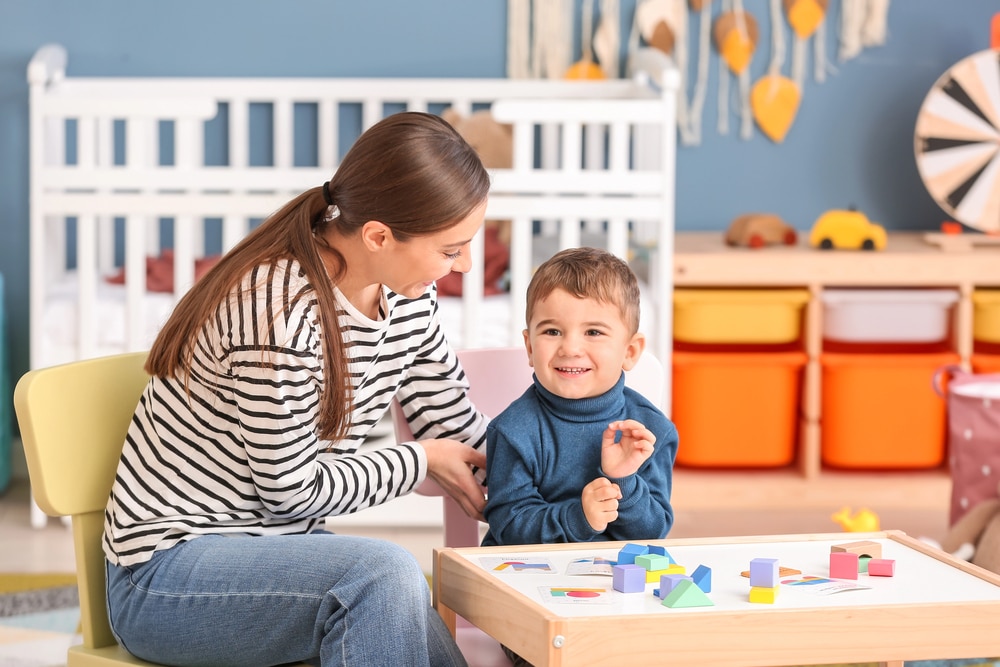
A cerebral palsy diagnosis changes how families look at time, progress, and everyday life. Moments that once felt routine now require planning, patience, and adaptation. Raising a child with cerebral palsy brings new responsibilities, yet it also brings an understanding of resilience, creativity, and connection.
Families often learn quickly that this journey does not follow a fixed path. Progress looks different for every child, and meaningful wins frequently appear quietly in daily routines.
Cerebral palsy affects movement, posture, muscle tone, and coordination. Some children experience stiffness that limits mobility, while others deal with involuntary movements or balance challenges. Communication, feeding, and endurance may also require attention. These differences shape how families approach care at home, school, and in the community.
This guide draws on insights from pediatric rehabilitation and real caregiving experience to offer practical guidance. It focuses on daily life, therapy integration, emotional health, and state-based resources that help families care for their children at home. The goal is simple: make complex information easier to understand and apply in real life.
Raising a Child with Cerebral Palsy in a Home Environment
Home plays a central role in childhood development, especially for children with cerebral palsy. Familiar surroundings reduce stress and allow children to practice skills in a safe environment. Everyday activities turn into opportunities for growth without feeling forced or clinical.
Home-based routines help children work on movement, communication, and self-care in ways that make sense to them. For instance, getting dressed is an opportunity to practice balance; mealtime encourages coordination and posture; moving from one room to another builds strength and confidence over time.
Parents often balance care alongside everyday parenting responsibilities. Therapy exercises become part of play, while medical tasks fit between school drop-offs and family meals. This overlap can feel exhausting, yet it also helps care feel more natural and less disruptive.
The most effective home routines emphasize consistency without rigidity. Children benefit from predictable schedules. Flexibility remains key as energy levels change, growth spurts affect mobility, and rest days matter as much as active ones.
Understanding Cerebral Palsy and How It Shapes Daily Life
Cerebral palsy begins early in life, yet its effects unfold over many years. The condition influences how a child moves, communicates, eats, and interacts with the world around them. Understanding these layers helps families anticipate needs and adapt care as children grow.
How Brain Development Influences Movement and Control
Cerebral palsy develops when areas of the brain responsible for movement and muscle coordination do not form typically or sustain injury. This damage affects how signals travel from the brain to the muscles. As a result, muscles may feel stiff, weak, or challenging to control.
The location and extent of the brain injury play a significant role in how symptoms appear. Damage to motor areas may limit voluntary movement. Involvement of other regions can affect posture, balance, or coordination. Because the injury does not worsen over time, changes seen later usually reflect growth, muscle development, or secondary complications rather than progression of the condition itself.
Different Types of Cerebral Palsy and What They Mean Functionally
Cerebral palsy includes several movement patterns that influence daily function in different ways.
Spastic cerebral palsy often results in tight muscles that limit the range of motion. Children with this type may appear stiff or have difficulty relaxing specific muscle groups, which can affect walking, reaching, or sitting comfortably.
Dyskinetic cerebral palsy involves involuntary movements that may appear slow and writhing or sudden and jerky. Muscle tone can fluctuate throughout the day, making posture and controlled movement more challenging to maintain.
Ataxic cerebral palsy primarily affects balance and coordination. Children with this type may appear shaky when reaching for objects or walking, especially during precise movements.
Some children experience mixed cerebral palsy, meaning more than one movement pattern is present. These combinations can make daily tasks more complex and often require a range of therapy approaches.
- Muscle Tone, Posture, and Orthopedic Changes
Muscle tone differences affect how a child’s body positions itself at rest and in motion. Increased tone can pull joints into abnormal positions over time. Reduced tone may lead to poor postural control and fatigue.
As children grow, muscle imbalances may contribute to orthopedic changes. Tight muscles can limit joint movement. Uneven muscle pull may affect spine alignment or gait patterns. Regular monitoring helps identify changes early so therapy or medical interventions can address them.
Stretching routines, positioning strategies, and adaptive seating often help manage these challenges and promote comfort.
- Communication, Speech, and Swallowing Challenges
Cerebral palsy may affect muscles involved in speech and swallowing. Some children experience difficulty coordinating the lips, tongue, and jaw, which can affect speech clarity. Others rely on alternative communication methods to express needs and thoughts.
Swallowing challenges may occur when muscles responsible for chewing and moving food are affected. These challenges increase the importance of proper positioning and appropriate food textures during meals.
Speech and language therapy addresses both communication and feeding skills. Tools such as picture boards or speech-generating devices can help children participate more fully in daily life.
- Seizures and Neurological Considerations
Seizures occur in a significant portion of children with cerebral palsy. They vary in type and frequency and may require ongoing medical management. Monitoring seizure activity helps providers adjust treatment plans and maintain safety.
Some children also experience sensory processing differences. Sensitivity to sound, touch, or visual input may affect behavior and comfort. Understanding these sensory preferences helps families create calmer environments and reduce stress.
- Fatigue, Endurance, and Energy Management
Many children with cerebral palsy experience fatigue more quickly than their peers. Movement often requires more effort, which affects stamina throughout the day. Tasks that appear simple may require significant energy.
Planning activities around energy levels helps children participate more comfortably. Balancing active periods with rest breaks reduces physical strain and frustration. Fatigue management becomes critical during school hours and therapy sessions.
How Symptoms Change as Children Grow
Although cerebral palsy itself does not progress, its impact changes as children grow and develop. Growth spurts can affect muscle length and joint alignment. Increased body size may change mobility needs or equipment requirements.
School demands, social interaction, and independence goals also influence how symptoms affect daily life. Ongoing evaluation allows care plans to adapt to these changes rather than remain static.
Why Individualized Care Matters
No two children experience cerebral palsy the same way. Functional abilities, communication methods, and medical needs vary widely. Individualized care plans account for these differences and focus on practical goals rather than comparisons.
Understanding how cerebral palsy shapes a child’s daily experience helps families make informed decisions about routines, therapy, and long-term planning. Knowledge reduces uncertainty and allows caregivers to respond thoughtfully, adjusting care as needs change over time.
Early Development and Childhood Milestones
Early childhood sets the foundation for how children with cerebral palsy interact with their bodies and their surroundings. During these years, targeted intervention helps shape movement patterns, communication methods, and daily habits that influence long-term function.
- The Role of Early Intervention Services
Early intervention programs often begin shortly after diagnosis and focus on helping children develop essential skills during critical periods of brain development. Physical therapy addresses posture, muscle flexibility, and early mobility. Occupational therapy works on hand use, sensory integration, and participation in daily routines. Speech therapy targets both communication and feeding abilities.
Intervening early takes advantage of the brain’s ability to adapt. Consistent therapy during infancy and toddler years supports skill development that may be harder to establish later.
- Understanding Developmental Milestones in Context
Children with cerebral palsy often reach milestones differently than their peers. Some skills develop out of sequence or appear later than expected. Sitting may occur before rolling. Communication through gestures or devices may appear before spoken language.
Comparing milestones to typical timelines often creates unnecessary stress. Progress becomes clearer when measured against a child’s own abilities rather than external benchmarks. Development focuses on function rather than speed.
- Muscle Tone and Movement Patterns in Early Years
Abnormal muscle tone often becomes more noticeable during early childhood as children begin to move against gravity. Increased tone may limit smooth movement. Reduced tone may affect trunk control and head stability.
Early therapy helps guide movement patterns and reduce compensatory habits. Positioning strategies, guided play, and supported movement encourage efficient motor development and comfort.
- Sensory Processing and Early Learning
Many children with cerebral palsy experience differences in how they process sensory input. Sounds, textures, or visual stimuli may feel overwhelming or distracting. These differences influence attention, behavior, and learning.
Occupational therapy often addresses sensory regulation through structured activities. Sensory play supports engagement and helps children feel more comfortable exploring their environment.
- Communication Development Beyond Speech
Communication development extends beyond spoken words. Children may use eye gaze, gestures, facial expressions, or assistive technology to communicate. These methods allow children to express needs and preferences while their speech skills develop.
Early exposure to alternative communication tools promotes participation and reduces frustration. Speech therapy helps families integrate these tools into daily interactions.
- Feeding Skills and Oral Motor Development
Feeding often becomes a focus in early childhood. Muscle coordination affects chewing and swallowing, which in turn affects nutrition and safety. Early assessment helps identify appropriate food textures and positioning strategies. Speech and feeding therapy can address oral motor skills through exercises and guided practice.
- Play-Based Learning as a Development Tool
Play remains one of the most effective learning tools during early childhood. Activities such as stacking blocks, crawling through tunnels, or water play encourage movement, coordination, and problem-solving.
Play-based therapy allows children to practice skills without pressure. Enjoyment increases participation and repetition, which reinforces learning.
- Recognizing Progress Through Small Wins
Progress during early years often appears subtle. Improved head control, more extended periods of attention, or smoother transitions between positions signal meaningful development. Acknowledging these changes motivates both children and caregivers. Ultimately, small improvements often pave the way for larger gains over time.
- Integrating Therapy Into Everyday Life
Therapy plays an ongoing role in daily life for children with cerebral palsy, yet it does not need to feel separate from everything else. Physical therapy focuses on building strength, improving flexibility, and guiding efficient movement patterns. Occupational therapy centers on everyday activities such as dressing, eating, and using hands more effectively. Speech therapy addresses communication, swallowing, and oral-motor coordination.
Therapy becomes most effective when skills carry over beyond scheduled sessions. Many exercises fit easily into playtime, household routines, or daily transitions. Practicing movements during games or simple tasks helps children build familiarity and confidence without feeling pressured.
Water-based activities offer another valuable option. Movement in water reduces strain on joints and allows children to move more freely. Balance games, adaptive sports, and gentle stretching add variety and help develop coordination in a way that feels enjoyable rather than repetitive.
Ongoing communication between families and therapy teams keeps goals realistic and responsive. Adjustments often reflect changes in growth, stamina, and daily routines, helping therapy stay aligned with a child’s current needs.
- Assistive Devices and Adaptive Equipment
Assistive devices help children participate more fully in daily life. Walkers, wheelchairs, orthotics, and communication tools address specific mobility, posture, and expression challenges. When chosen thoughtfully, these tools help children engage more independently at home, school, and in the community.
Equipment needs change over time. Growth, skill development, or shifts in activity levels may require updates or modifications. Regular check-ins help families avoid equipment that no longer fits comfortably or supports current abilities.
Training makes a meaningful difference. Caregivers and children benefit from learning how to use devices safely and adequately. Familiarity builds confidence, which often leads to greater use and better day-to-day function.
- Education and School Planning
School introduces new layers of planning and coordination. Individualized Education Programs help outline academic goals, therapy services, and classroom accommodations to match a child’s learning style and physical needs. Families play a central role in shaping these plans through collaboration with educators and therapists.
Preparation helps meetings stay focused. Reviewing therapy updates and identifying priorities in advance enables families to guide discussions more effectively. Open communication with school staff supports consistency between classroom strategies and home routines.
Social development remains just as important as academic progress. Inclusive environments help children form relationships and build self-awareness. Peer interaction contributes to emotional growth and a sense of belonging.
Planning for the future often begins earlier than expected. Middle school years may introduce conversations about education paths, vocational interests, and daily living skills. Early planning gives families time to explore options and set realistic expectations for the years ahead.
Children’s Home and Community-Based Services in Colorado
Colorado offers a pediatric waiver focused on home-based care for children with complex needs. This program allows families to access services without relying on institutional settings.
Through Colorado Children’s Home and Community-Based Services (CHCBS), families may qualify for personal care assistance, respite care, and caregiver compensation.
CHCBS helps children remain connected to family life and community activities. Home-based care often supports emotional stability and long-term well-being.
- Parent Caregivers and CNA Certification
Many parents already provide extensive daily care. Colorado offers a pathway for parents to receive training and compensation through caregiver certification programs.
The Colorado Parent Certified Nursing Assistant (CNA) program allows parents to provide approved care services after completing required training. Certification covers care techniques, documentation, and coordination with healthcare teams.
- Emotional Health for Children and Families
Cerebral palsy influences emotional well-being just as much as physical function. Children often become aware of differences at an early age, even if they do not yet have the words to describe them. Honest, age-appropriate conversations help children make sense of their experiences and feel understood.
A home environment built on patience and encouragement makes a noticeable difference. Acknowledging effort reinforces motivation, especially on days when progress feels slow. Emotional reassurance matters as much as physical care.
Siblings experience their own range of emotions. They may feel protective, confused, or uncertain about their role. Including siblings in family conversations and care routines helps build understanding and connection. Shared activities create space for positive relationships beyond medical or therapy needs.
Caregivers also need emotional outlets. Connecting with others who understand caregiving demands reduces isolation. Peer groups, counseling, and respite options offer space to process stress and regain balance. Mental health deserves ongoing attention, not just during difficult moments.
- Preventing Caregiver Burnout
Caregiving requires steady energy and focus. Over time, exhaustion can build when rest and personal time become limited. Burnout often develops gradually, which makes early recognition important.
Noticing signs such as constant fatigue, irritability, or feeling overwhelmed allows families to take action sooner. Scheduling regular breaks and accepting help when it is available helps protect long-term health. Respite services give caregivers time to recharge, even briefly.
Caring for oneself supports better caregiving overall. When caregivers feel rested and supported, daily care becomes more manageable for everyone involved.
- Planning for Teen Years and Adulthood
Teen years bring noticeable changes in physical development, social interests, and long-term planning. Growth spurts may affect muscle tightness, balance, or endurance. At the same time, teens begin seeking more independence and autonomy.
Transition planning often includes exploring education options, vocational interests, and daily living skills. Preparing early allows families to address these changes gradually rather than all at once. Healthcare coordination also changes during this period as adult providers become involved.
Programs that focus on communication, self-care, and decision-making help teens develop practical skills for adulthood. Families who plan ahead often feel better prepared to support these transitions with less uncertainty.
- Creating a Home that Encourages Independence
A well-adapted home supports independence and comfort. Modifications such as ramps, adaptive bathrooms, and supportive seating reduce physical strain and allow children to move more freely. Even small changes can improve daily participation.
Children benefit from taking part in household routines. Helping with simple tasks builds life skills and self-awareness. Activities adapt to ability, so effort feels encouraged rather than limited.
Making Progress with Care and Direction
Raising a child with cerebral palsy brings complexity, growth, and moments of unexpected progress. Families deserve information that respects their role and offers realistic solutions.
At Voyager Home Health Care, we focus on helping children remain at home through responsive care, caregiver programs, and guidance through Colorado-based services. Our team offers same-day assessments when available and 24/7 phone access.
Families exploring pediatric home care or caregiver certification options can connect with us for guidance tailored to their situation. Get in touch to learn how we can help your family with thoughtful, informed care.
