
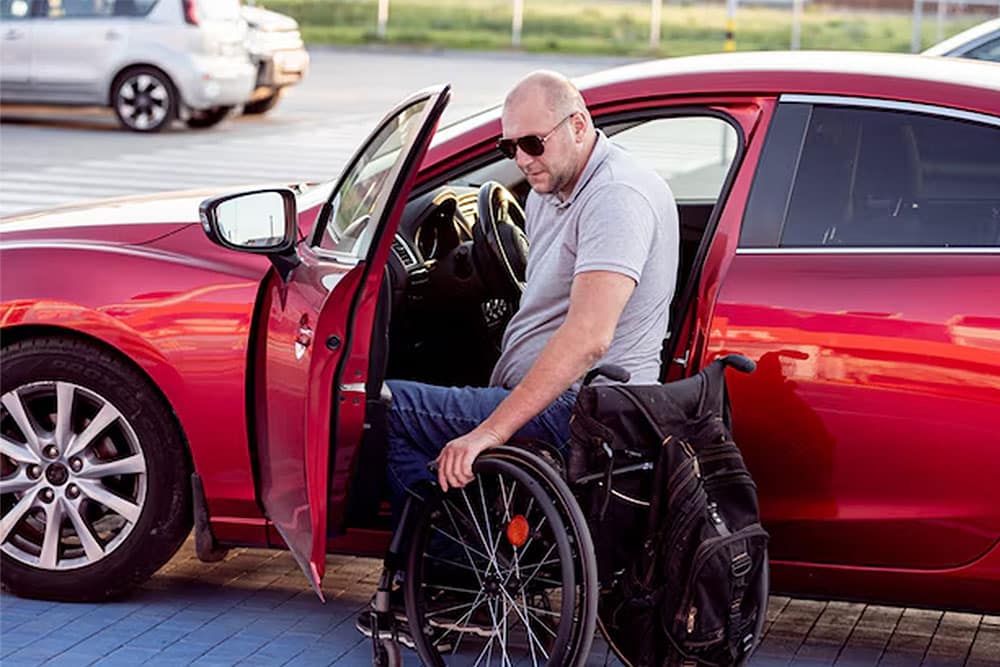
Familiarizing yourself with car adaptations for disabilities begins with recognizing how mobility limitations, sensory needs, and physical challenges can influence daily life and independence.
For many adults, transportation is more than a convenience; it is a gateway to employment, social interaction, and personal autonomy. Professional guidance and structured support allow individuals to access vehicles safely and confidently.
Programs such as the Colorado in-home supportive services program help families and caregivers identify adaptations suited to individual needs.
Working with an experienced in-home service provider helps make sure modifications are applied correctly and safely, creating an environment that supports both independence and comfort.
As discussions about 2026 healthcare trends emphasize, transportation solutions customized to adults with disabilities are becoming increasingly sophisticated, offering greater accessibility and improved quality of life.
This growth also opens opportunities for careers in healthcare focused on mobility support, rehabilitation, and adaptive technology.
Mobility challenges differ greatly, and no single adaptation fits all needs. Adults may require hand controls, wheelchair-accessible vehicles, or specialized seating to drive safely.
Professional advice helps see to it that adaptations fit individual physical requirements while complying with safety standards.
Families who attempt modifications without guidance may face risks or ineffective solutions that limit functionality and confidence. Structured support allows adults to travel more freely while reducing stress for both caregivers and family members.
Hand Controls and Driving Adaptations
Hand controls are among the most common car adaptations for disabilities. These systems allow drivers with limited or no use of their legs to operate the accelerator and brake with their hands.
Professional assessment determines the most appropriate style of control, considering grip strength, range of motion, and comfort. Proper installation by trained technicians helps guarantee safe operation, reduces the risk of accidents, and increases confidence.
Driving adaptations extend beyond hand controls. Adaptive steering devices, pedal extensions, and specialized seating can transform vehicles into accessible, functional transportation.
Professional in-home service providers collaborate with families to select equipment that is in keeping with the individual’s abilities and lifestyle. Regular maintenance and check-ins support long-term functionality and prevent equipment issues that could disrupt mobility.
Wheelchair Accessibility and Vehicle Modification
For adults who use wheelchairs, vehicle modifications may include lifts, ramps, or lowered floors. These adaptations allow easy entry and exit while maintaining safety during travel.
Professionals can evaluate vehicle types, weight capacities, and operational considerations to determine the best configuration. Supported living services for the developmentally disabled often integrate transportation solutions as part of a complete support plan.
Wheelchair-accessible vehicles allow adults to participate fully in work, social, and recreational activities, reducing dependency on caregivers or public transportation.
Beyond physical access, these adaptations influence emotional well-being. Adults who can enter and exit vehicles independently experience a sense of autonomy and dignity. Families benefit from reduced physical strain and increased flexibility in planning daily activities.
Professional guidance ensures that modifications match both current and future needs, accommodating growth, health changes, or changing mobility requirements.
Seating Adjustments and Comfort Features
Car seating modifications play a big part in accessibility. Swivel seats, adjustable cushions, and specialized harnesses allow adults with limited mobility to enter, exit, and remain comfortable during travel.
Professional installation guarantees proper support for posture and alignment, preventing discomfort or strain during extended trips.
Caregivers trained in in-home service provision can demonstrate techniques for safely transferring individuals into vehicles while maintaining comfort and safety.
Adaptive seating also accommodates sensory sensitivities or physical limitations. Materials, positioning, and support mechanisms can be customized to reduce discomfort, increase confidence, and improve overall travel experience.
Families and individuals gain reassurance knowing that every aspect of the vehicle is designed with safety and accessibility in mind.
Technological Improvements and Safety Features
Modern technology offers an array of car adaptations for disabilities that extend beyond physical controls. Voice-activated systems, adaptive mirrors, backup cameras, and automatic door openers contribute to safer, more independent travel.
Combining technology with traditional modifications improves accessibility, reduces risk, and supports adults in maintaining independence.
Professional assessments identify the best combination of tools for each individual. In-home service providers can offer guidance on training, troubleshooting, and routine maintenance.
Adults and families alike gain confidence when technology complements physical adaptations, making travel more predictable, safe, and empowering.
Emotional and Social Benefits of Accessible Transportation
Mobility directly impacts emotional health and social inclusion. Adults with disabilities often experience isolation due to transportation barriers. Vehicles equipped with professional adaptations allow individuals to access employment, social events, and healthcare appointments independently.
This independence strengthens confidence, encourages social involvement, and reduces stress on families who would otherwise need to provide constant transportation.
Structured support through professional services guarantees that these opportunities are consistent. Adults can participate in community activities, pursue personal goals, and maintain a sense of control over their daily lives.
Families benefit from reduced logistical strain and increased peace of mind knowing that transportation is safe and reliable.
Planning and Professional Assessment
Professional assessment is the basis for successful car adaptations for disabilities. Experts evaluate mobility, physical limitations, daily routines, and long-term needs to recommend the most suitable modifications.
In-home service providers can assist with assessments, training, and ongoing support, so that vehicles remain safe and functional over time.
Families who attempt to modify vehicles without professional guidance may face safety risks, equipment malfunctions, or inadequate solutions. Structured assessment and installation protect both the adult and those traveling with them.
Early planning also allows families to anticipate future needs, adapting vehicles as health, mobility, or independence levels change.
Integration With Supported Living Services
For adults enrolled in supported living services for the developmentally disabled, transportation adaptations complement broader care strategies. Vehicles become part of a coordinated support plan that includes daily routines, therapy, and social engagement.
Consistency between home, therapy, and community experiences strengthens independence and emotional well-being.
Professional providers make sure that transportation solutions line up with individualized care plans. Adults gain mobility, caregivers have structured guidance, and families experience reduced stress.
By working vehicle adaptations into supported living services, adults enjoy care that tends to their physical, emotional, and social needs.
Financial Considerations and Access Programs
Cost can be a concern when considering car adaptations. Programs like the Colorado in-home supportive services program and related state funding initiatives offer financial assistance for eligible families.
These programs help offset the cost of modifications, training, and maintenance, making accessible transportation more attainable. Professional providers guide families through funding options, applications, and service coordination to optimize access and affordability.
Access to financial support expands opportunities for adults with disabilities. It allows families to focus on independence, safety, and participation in community life rather than struggling with the financial burden of modifications alone.
Structured programs reduce barriers, so mobility solutions are within reach for those who need them most.
Training for Safe Use
Installing adaptations is only part of the process. Adults and caregivers require training to operate equipment safely.
Professional in-home service providers offer instruction on hand controls, wheelchair lifts, seating adjustments, and technological improvements. They also provide guidance on routine maintenance, troubleshooting, and safe transfer techniques.
Ongoing training builds confidence and reduces the risk of accidents. Adults feel confident to travel independently, and families experience peace of mind knowing that every journey is conducted safely.
This approach reinforces the long-term value of professional support in achieving independence.
Career Opportunities in Mobility Support
The growing need for accessible transportation has created a number of careers in healthcare focused on mobility and disability support. Professionals can specialize in vehicle adaptation assessment, installation, and training.
In-home service providers contribute to daily support, ensuring adults can travel safely and comfortably. As technology evolves and 2026 healthcare trends emphasize accessibility, the demand for skilled professionals continues to expand.
These careers are rewarding because they directly improve quality of life. Professionals witness tangible results as adults achieve greater independence, social inclusion, and confidence. Families gain confidence knowing their loved ones are supported by knowledgeable, trained experts.
Preparing for Long-Term Needs
Mobility needs may change over time due to health, aging, or changing independence goals. Vehicles must adapt accordingly. Professional assessments allow families to anticipate long-term requirements, selecting adaptable modifications or planning for future upgrades.
In-home service providers offer guidance on maintaining vehicles, transitioning equipment, and integrating new technology as needs progress.
Planning ahead reduces disruption, increases safety, and supports emotional well-being. Adults can continue to travel independently while families feel supported by structured guidance that anticipates changes rather than reacting to emergencies.
Encouraging Independence Through Transportation
Independence is a major benefit of car adaptations for disabilities. Adults gain the ability to travel to work, social activities, and medical appointments without relying entirely on caregivers.
Professional support means that adaptations will be safe, functional, and personalized to individual abilities. This autonomy promotes confidence, social interaction, and emotional resilience.
Families benefit when independence is supported professionally. Daily life becomes more manageable, stress is reduced, and meaningful family interactions increase.
Transportation solutions, when combined with skilled guidance, create freedom that extends to multiple areas of life.
Voyager Home Health Care Supports Mobility and Independence
Voyager Home Health Care knows that car adaptations for disabilities are more than technical modifications; they are paths to independence, confidence, and participation in daily life.
Our team of professional caregivers and in-home service providers works with families to assess needs, implement adaptations, and train adults in safe vehicle use.
We partner with programs like the Colorado in-home supportive services program to make accessible transportation feasible for every household.
Through structured support, our caregivers help adults travel safely to work, social events, and medical appointments while maintaining emotional and physical well-being.
Our focus on individualized care ensures that every adaptation fits the adult’s abilities, preferences, and long-term goals. Families experience reduced stress, increased flexibility, and the reassurance that their loved ones are supported by knowledgeable, compassionate professionals.
With Voyager Home Health Care, adults gain mobility, independence, and confidence. We invest in caregivers, rapid response, and family-centered support to create lasting solutions.
If you have questions about Voyager Home Health Care or would like to learn more about how our services support mobility and independence, feel free to contact us today.
