
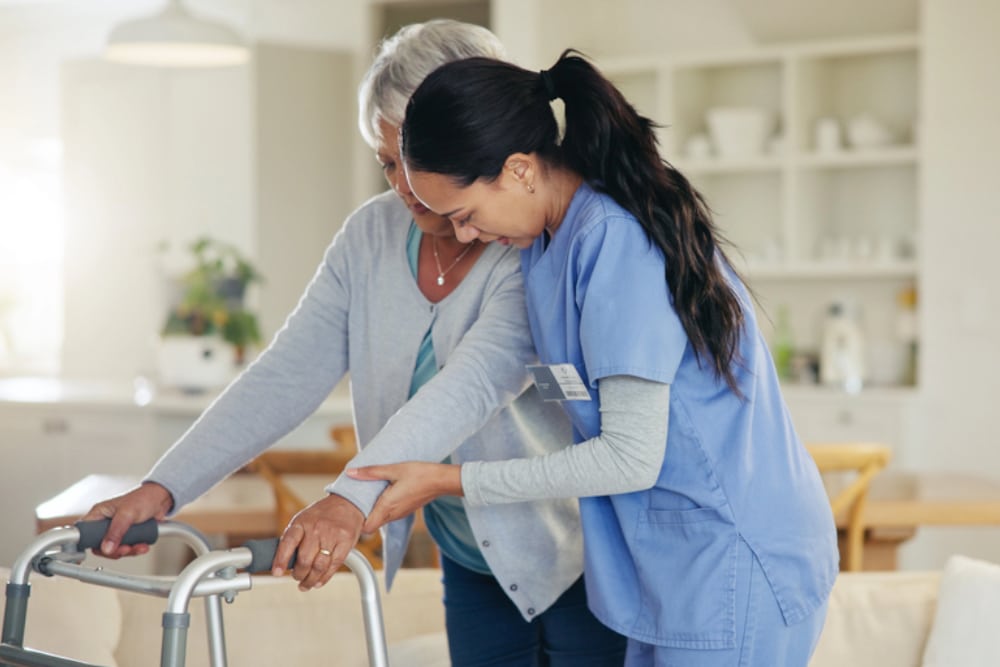
Care at home succeeds or fails in the small moments. Eating a meal without stress, transferring from bed without fear, or completing personal hygiene with respect all influence how someone experiences life at home.
In professional caregiving, these moments fall under Activities of Daily Living (often shortened to ADLs). They form the foundation of what Certified Nursing Assistants do every day.
Understanding CNA ADLs changes how care feels and functions for families caring for loved ones at home, especially children or medically complex individuals. Tasks stop feeling overwhelming and begin to follow a thoughtful routine that protects health and preserves independence.
As a Colorado-based home health provider, we view ADLs as a framework that helps caregivers deliver consistent, meaningful care in real homes.
CNA ADLs in Home-Based Care
ADLs are the core self-care activities that enable a person to live safely and comfortably at home with assistance. These activities include bathing, dressing, toileting, eating, mobility, continence, and transferring from one position to another. Healthcare professionals rely on ADLs to assess functional ability, plan care, and determine eligibility for home-based programs.
In practice, ADLs touch every part of the day. Morning routines may include safe transfers and personal hygiene; afternoons may focus on mobility and feeding; and evenings often return to toileting and comfort care. For CNAs working in family homes, these tasks require awareness, patience, and adaptability.
Families often notice changes in ADL ability before anything else. Difficulty standing, weight changes, or declining hygiene can signal the need for additional care. Addressing these changes early helps keep care at home and reduces the risk of injury or hospitalization.
Basic ADLs and What They Involve
Basic Activities of Daily Living focus on physical self-care and the essential tasks required for daily functioning at home. These activities form the core of CNA care and often provide the first insight into a person’s changing needs.
- Bathing: Washing and drying the body in a safe manner that protects skin integrity and reduces fall risk. This task often requires attention to balance, water temperature, and secure entry and exit from the shower or bath.
- Dressing: Selecting appropriate clothing and putting it on correctly, which may involve managing buttons, zippers, braces, or other adaptive equipment. Range of motion and coordination are key here.
- Toileting: Transferring on and off the toilet, maintaining personal hygiene, and addressing continence needs with dignity. This area often requires careful positioning and adherence to infection prevention protocols.
- Eating: Bringing food from the plate to the mouth and swallowing safely. Feeding focuses on physical ability and coordination rather than meal preparation, with close attention to choking risks and dietary needs.
- Mobility and Transferring: Moving safely within the home and shifting between positions such as bed, chair, or wheelchair. These actions rely on proper technique to protect both the caregiver and the care recipient.
Completing these tasks safely is just as important as completing them at all. Someone may manage a transfer independently yet feel unstable or experience near falls, which signals the need for attention. Recognizing these moments allows caregivers to adjust techniques, introduce assistive devices, or modify routines before minor challenges turn into serious injuries.
Instrumental ADLs and Daily Independence
Instrumental Activities of Daily Living (IADLs) are complex tasks that support independence and quality of life. These include managing medications, preparing meals, handling finances, managing housekeeping, coordinating transportation, and communicating. IADLs demand organization, judgment, and problem-solving rather than physical strength alone.
Many individuals need help with IADLs long before basic ADLs become difficult. A caregiver may notice missed medications, unpaid bills, or an unsafe kitchen before personal care declines. Understanding this difference helps families plan care that meets current needs without overstepping boundaries set by care programs.
ADLs in Pediatric and Family Care Settings
Children receiving in-home care experience ADLs differently than adults due to growth, development, and medical complexity. Pediatric ADL care often involves adaptive feeding techniques, careful positioning, skin protection, and close observation of subtle changes. Emotional comfort also plays a larger role, as trust and routine strongly influence cooperation and well-being.
Family caregivers often step into CNA roles because no one understands a child’s needs better than a parent or close relative. Formal CNA training translates that lived knowledge into safe, structured care that meets program requirements.
Families interested in this pathway can learn more about the Colorado Parent Certified Nursing Assistant (CNA) program. At Voyager Home Health Care, our program allows eligible parents to receive pay for caring for their own children at home under state guidelines.
How ADLs Are Assessed and Used
Healthcare providers assess ADLs to determine how much assistance a person needs and which type of care is best. Assessments may involve direct observation, caregiver input, and standardized tools such as ADL checklists. These evaluations rarely occur once, as needs change over time due to illness, injury, or development.
Assessment results influence care plans, authorized hours, and program eligibility. Accurate reporting protects caregivers and families by aligning care with approved services. This process also helps providers recommend equipment, home modifications, or additional services when appropriate.
CNA Tips for Performing ADLs Safely
Care quality depends on technique, awareness, and consistency. These CNA tips reflect practices that help caregivers perform ADLs effectively in home settings.
- Prioritize Body Mechanics: Proper posture and controlled movement reduce strain and protect joints during transfers and mobility assistance.
- Communicate Before and During Care: Clear explanations lower anxiety and build cooperation, especially during personal care tasks.
- Observe Physical and Behavioral Changes: Skin irritation, appetite shifts, or balance issues often appear during ADLs and provide early insight into changing needs.
- Respect Established Routines: Consistent schedules promote comfort and reduce resistance, particularly in pediatric and cognitive care.
- Document with Care: Accurate notes maintain program compliance and reflect the proper level of assistance provided.
How to Be a Good CNA at Home
Many caregivers wonder how to be a good CNA when caring for someone they love. Professional caregiving within a family setting requires a balance between compassion and structure. An emotional connection already exists, yet care delivery still requires boundaries, consistency, and adherence to approved tasks.
A good CNA remains observant, adaptable, and willing to ask questions when situations change. Training encourages caregivers to rely on care plans, communicate concerns early, and seek guidance. This approach protects both caregiver income and patient well-being.
ADLs and Colorado IHSS Programs
Colorado In-Home Supportive Services (IHSS) program allows eligible caregivers to receive pay for assisting with authorized ADLs and related tasks. Program rules determine which activities qualify, how hours are approved, and what documentation is required. These rules differ from those in other states, making a state-specific understanding a must.
ADLs as the Core of Home Care
Activities of Daily Living shape how care feels day-to-day. Respectful hygiene routines preserve dignity. Safe transfers reduce injury risk. Thoughtful feeding promotes nutrition and comfort. These tasks may appear routine, yet they define the experience of home-based care more than any policy or form.
Caregivers who understand ADLs deliver care that feels steady rather than reactive. Families benefit from predictable routines and improved safety. Over time, this consistency builds trust and stability within the home.
Bringing Care Home with Purpose
Families thrive when caregiving feels structured, supported, and sustainable rather than overwhelming. ADLs form the backbone of that experience, guiding training, care planning, and program eligibility across Colorado.
Families exploring Parent CNA pathways, pediatric care options, or IHSS services deserve guidance that respects both professional standards and personal relationships. Want to learn how family caregiving can align with approved programs and fair pay? Contact us to explore your options and take the next step toward at-home care that works for you.
