
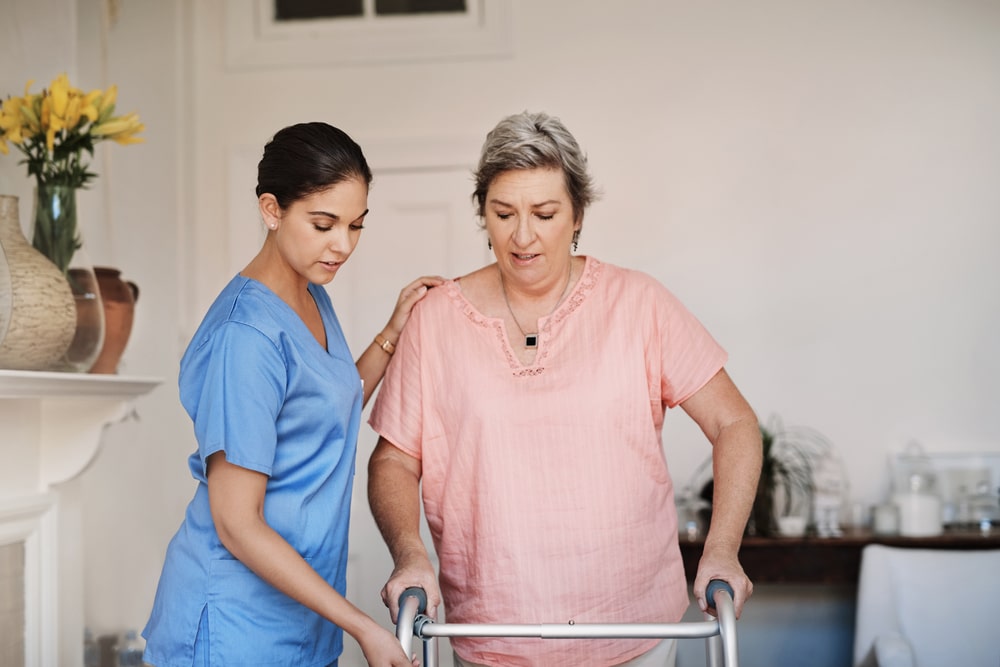
Families who step into caregiving don’t usually plan for it. A child receives a diagnosis, a medical need becomes ongoing, or daily care slowly becomes a full-time responsibility, and suddenly, a parent or relative is performing work that closely resembles professional nursing care. That reality often raises a reasonable question: Can you become a CNA without classes?
At first glance, the idea seems reasonable. Caregivers already know the routines, understand the medical needs, and manage care every day. Sitting through formal coursework can feel redundant, especially for families juggling appointments, therapies, and school schedules.
Even so, CNA certification was designed with patient safety, legal accountability, and long-term access to care programs in mind. Skipping training usually causes more friction than freedom, especially for families hoping to work within regulated healthcare systems.
This article explains why CNA classes remain necessary, how certification works, and why taking the formal route leads to better outcomes for caregivers and those they support.
Can You Become a CNA Without Classes?
Every state requires completion of a state-approved training program before a caregiver can sit for the CNA competency exam. Federal guidelines set a baseline for training hours, and states then add their own requirements for classroom instruction, skills labs, and clinical experience.
In Colorado, CNA candidates must complete approved training and pass both the written and skills portions of the exam before placement on the state registry. Without that registry status, employers and Medicaid-funded programs cannot legally recognize someone as a CNA.
Why CNA Training Exists
CNA training goes far beyond basic caregiving tasks. Certification programs teach caregivers how to recognize early warning signs, respond to medical changes, and follow clinical protocols that protect both patients and caregivers.
Coursework typically includes infection prevention, safe transfers, documentation practices, emergency awareness, patient rights, and ethical responsibilities. These skills matter in every care environment. They become even more important in home-based and pediatric settings. In these situations, caregivers often work independently and must rely on sound judgment and confidence.
Training also prepares caregivers for the exam itself. The CNA skills test follows strict evaluation criteria, and missing a critical step can fail. Classroom instruction and hands-on labs help caregivers learn how tasks are evaluated, not just how they are performed.
Can You Work as a CNA Without Being Certified?
Another common question involves employment rather than certification itself. Many families wonder if they can perform CNA-level duties without holding credentials, especially when caring for a loved one at home.
Private caregiving arrangements may include informal assistance. However, that role does not constitute CNA employment. Hospitals, home health agencies, nursing facilities, and Medicaid programs require active CNA certification before a caregiver can fill a CNA position.
Programs that pay family caregivers through Medicaid waivers also require specific credentials. Without certification, caregivers risk denied claims, unpaid hours, and loss of program eligibility. Attempting to function as a CNA without certification often leads to financial and administrative setbacks rather than progress.
How State Rules Direct the CNA Path
One reason caregivers feel confused about certification comes from reading general advice that ignores state-specific differences. CNA rules share commonalities across the country, but details vary by state.
Training hours, registry requirements, renewal rules, and waiver eligibility all depend on state regulations. Forms used in one state may be irrelevant elsewhere, and program names often overlap without identical requirements.
Colorado caregivers must follow Colorado-specific guidelines, especially when pursuing paid roles tied to Medicaid-funded services. Pediatric-focused programs also introduce additional considerations that general CNA content often overlooks.
The Role of Pediatrics in CNA Training
Caring for children requires a different lens than caring for adults or older adults. Pediatric patients may not communicate symptoms clearly, and medical changes can escalate quickly. CNA training introduces caregivers to pediatric-specific concepts such as developmental considerations, family-centered care, and early symptom recognition.
Formal education also teaches documentation practices that matter when multiple providers coordinate care. Accurate reporting helps care teams adjust plans and maintain continuity, which becomes especially important for children with complex medical needs.
Families providing pediatric care benefit from training that reflects real-world scenarios rather than assumptions based on adult care environments.
Why Skipping CNA Classes Often Creates More Barriers
Caregivers who try to bypass formal education often encounter unexpected obstacles. Failing the competency exam due to unfamiliar evaluation criteria remains a common issue. Others face registry placement delays or are ineligible for programs they expected to access.
Training programs exist to prepare caregivers for both testing and employment expectations. Learning proper body mechanics, documentation language, and clinical reasoning helps caregivers succeed beyond the classroom.
Time invested in education often shortens the overall journey rather than extending it.
Certification as a Gateway to Paid Family Caregiving
Many caregivers pursue CNA certification because they want recognition and compensation for the care they already provide. Certification serves as the bridge between unpaid labor and regulated employment.
In Colorado, parents caring for medically complex children often qualify for paid caregiver roles after meeting certification requirements. Programs designed for pediatric home care typically require caregivers to hold appropriate credentials, including, in many cases, CNA certification.
Families interested in formal training can explore options such as the Colorado Parent Certified Nursing Assistant (CNA) program, which aligns CNA education with the realities of family-based and pediatric care. Programs like this respect lived experience while meeting regulatory standards.
Understanding CHCBS and Caregiver Eligibility
Children’s Home and Community-Based Services play a major role in pediatric home care across Colorado. CHCBS programs allow children with significant medical needs to receive care at home rather than in institutional settings.
Caregiver eligibility under CHCBS depends on meeting specific requirements, which often include training and certification. Alignment between certification and program guidelines helps families avoid delays and confusion during enrollment.
Financial Considerations and Training Accessibility
Training costs vary depending on provider and program length, but CNA education often pays off through access to paid caregiving roles. Many programs offer flexible schedules designed for parents and working adults, including evening or condensed formats.
Some families worry that certification creates an additional burden, yet unpaid caregiving carries its own long-term costs. Formal credentials open doors to consistent income, professional recognition, and program participation that informal roles cannot provide.
Professional Recognition Beyond Pay
Certification does more than unlock wages. It places caregivers within the healthcare system as recognized professionals. Registry status signals competence to providers, case managers, and agencies involved in a child’s care.
That recognition improves communication, strengthens collaboration, and validates the skills required to manage complex medical needs at home. Many caregivers report increased confidence and peace of mind once their role is formally recognized.
Making an Informed Decision About CNA Training
Choosing the CNA path requires weighing time, effort, and long-term goals. Skipping classes rarely offers lasting advantages, especially for caregivers seeking stability and program access.
Formal education builds skills, prepares caregivers for exams, and aligns families with state requirements. For those caring for children or family members at home, certification often becomes the key to sustainable caregiving.
Turning Caregiving Experience Into a Sustainable Path
CNA certification exists to protect patients and caregivers alike. Formal training remains the most reliable way to access legitimate caregiving roles. Families who invest in education gain access to paid opportunities, pediatric-focused programs, and professional recognition that informal caregiving cannot provide.
At Voyager Home Health Care, we work with families who want to make care a long-term solution without unnecessary barriers. Our focus remains on pediatrics, family-based caregiving, and responsive guidance tailored to Colorado regulations.
Families exploring next steps can reach out to learn how certification fits into their situation and which options align with their goals. Reach out to us to learn what steps make sense for your family.
