
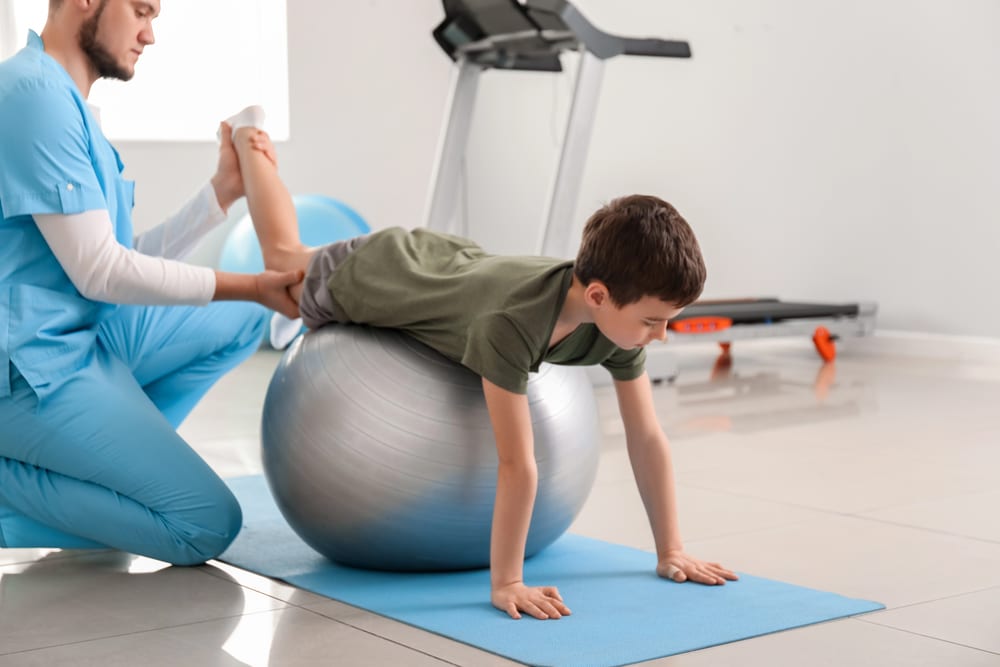
Movement plays a far larger role in childhood development than many people realize. It influences how children explore their surroundings, connect with others, and manage daily routines. Physical development often follows a different path for children on the autism spectrum.
Differences in muscle tone, coordination, posture, and motor planning shape this path. These differences can affect comfort, safety, and participation in everyday life, especially during play, learning, and social interaction.
At Voyager Home Health Care, we work closely with families across Colorado who want pediatric care that respects their routines. Physical therapy for autism fits into this vision because it addresses how children move through their world, both literally and emotionally.
When therapy is designed around real-life activities rather than isolated exercises, it becomes a practical tool for growth rather than a clinical interruption.
Physical Therapy for Autism and Foundational Motor Skills
Physical therapy for autism focuses heavily on the building blocks of movement that affect a child’s daily experience. Many children on the spectrum experience delays in early motor milestones, such as sitting independently, crawling with coordination, or walking with stability.
Research shows that these delays often emerge within the first year of life, well before other challenges become apparent.
Therapists begin by assessing a child’s overall movement, focusing on posture, balance, joint mobility, and muscle tone. Toe-walking, limited trunk control, and reduced endurance frequently emerge as patterns that affect comfort and safety.
Addressing these patterns early helps children develop movement strategies that enable smoother transitions between positions and activities.
Therapeutic play often becomes the foundation of these sessions. Through guided games and movement-based activities, therapists encourage large, purposeful motions that strengthen muscles and improve coordination. Activities such as climbing, reaching, and controlled walking exercises help children practice skills that transfer directly into daily routines.
Autism Physical Therapy and Coordination in Daily Life
Autism physical therapy extends beyond basic movement and into how children interact with their surroundings. Coordination challenges can make activities such as riding a bike, climbing stairs, or participating in playground games feel overwhelming. These moments influence a child’s willingness to engage with peers and explore new environments.
Therapists address coordination through activities that blend balance, timing, and spatial awareness. Swimming, dance-based movement, and structured play exercises allow children to practice motor skills without excessive pressure. These activities also provide sensory input that can feel regulating rather than overwhelming.
As coordination improves, children often show greater interest in physical play and group activities. Movement becomes less effortful, opening the door to experiences that were previously inaccessible. This change can significantly affect school participation, recreational activities, and family outings.
- Posture, Balance, and Body Awareness
Postural control affects nearly every aspect of movement. Children on the autism spectrum may struggle to maintain upright posture due to low muscle tone or delayed motor control. This challenge can make sitting still, standing in line, or walking long distances more difficult.
Physical therapy targets these issues through exercises that build core stability and balance awareness. Activities such as balancing on uneven surfaces help children build a stronger sense of body positioning. Practicing controlled transitions between sitting and standing supports this development. Improved posture supports endurance and comfort during daily tasks, from classroom seating to family meals.
- Movement and Social Participation
Although physical therapy does not directly teach social communication, movement plays a powerful role in social engagement. Studies suggest that children with stronger gross motor skills often show improved participation in group activities and play. When movement feels easier, children tend to remain engaged longer and show greater willingness to interact.
Therapists often incorporate cooperative games and imitation-based activities into sessions. These exercises encourage turn-taking, shared attention, and awareness of others through physical action. Over time, children may approach peers more readily during play because their bodies feel capable and responsive.
- Emotional Regulation Through Physical Activity
Movement influences emotional regulation in subtle but significant ways. Therapeutic exercise stimulates the release of endorphins, which can affect mood, focus, and energy levels. Children who participate in consistent movement-based therapy often experience improvements in sleep patterns and overall regulation.
Physical therapy sessions present structured movement opportunities that help children process sensory input. Activities that involve rhythm, repetition, and controlled exertion offer grounding experiences that carry over into daily routines. Parents frequently notice that children appear more settled after engaging in physical activity, which supports smoother transitions throughout the day.
When therapy takes place within the home environment, children practice regulation strategies where they matter most. Exercises integrated into familiar spaces feel less disruptive and more sustainable over time.
- Family Involvement and Practical Guidance
Family participation is central to pediatric physical therapy. Therapists share strategies that help caregivers understand how movement patterns affect daily participation. Guidance may include recommendations for adaptive equipment, activity modifications, or movement-based play ideas that align with a child’s interests.
This collaborative approach allows families to reinforce therapy goals outside of formal sessions. Caregivers gain insight into how posture, coordination, and endurance influence behavior and engagement. Practical knowledge empowers families to make informed decisions about sports, recreational activities, and daily routines.
Access to responsive communication also matters. Families benefit from timely guidance when questions arise, especially during moments when movement challenges affect safety or comfort.
- Medicaid Waiver Autism Services In Colorado
Access to physical therapy often depends on eligibility for state-specific programs. Medicaid waiver autism services in Colorado provide pathways for children to receive care within their homes and communities. These programs aim to reduce reliance on institutional settings and promote family-centered care.
Understanding program requirements remains essential because forms and processes differ by state. Colorado families benefit from guidance that reflects local regulations rather than generalized assumptions. Services under the Children’s Home and Community-Based Services waiver focus on children with significant needs and offer therapy options that align with daily life.
- The Evolving Role of Therapy Across Childhood
Physical therapy adapts as children grow. Early childhood often centers on foundational skills such as walking safely, climbing stairs, and managing physical boundaries. During school years, therapy may address challenges related to classroom seating, crowded hallways, and participation in physical education.
Therapists collaborate with families and educators to identify strategies that help children manage new environments. Tools such as movement breaks, structured games, and spatial markers support children’s coordination and self-regulation in group settings. This adaptability keeps therapy relevant across developmental stages.
- Home-Based Care and Family-Centered Models
Care delivered within the home allows children to practice skills in familiar surroundings. This setting encourages carryover because exercises connect directly to daily routines. Families often prefer this model because it reduces travel demands and keeps therapy integrated into everyday life.
Colorado families also have opportunities to participate more directly in caregiving roles. Parents interested in providing hands-on care can explore options through the Colorado Parent Certified Nursing Assistant (CNA) program, which allows qualified parents to receive training and compensation while caring for their child at home.
- Supporting Independence Through Movement
Physical therapy influences far more than physical ability. It shapes how children experience independence, engagement, and comfort within their environments. Movement skills affect participation in play, learning, and social interaction, making therapy a core part of holistic pediatric care.
Children benefit most when therapy respects their individuality and integrates seamlessly into daily life. Families gain confidence when they understand how movement influences behavior and development.
Partnering with Families for Pediatric Care
Effective pediatric services grow from collaboration, accessibility, and respect for family routines. At Voyager Home Health Care, our focus remains on providing responsive care that fits within Colorado-specific programs and keeps children supported at home. Physical therapy is one component of a broader commitment to family-centered care that values both children and caregivers.
Families seeking guidance on pediatric services or home-based therapy options can connect with us directly to explore available pathways.
