
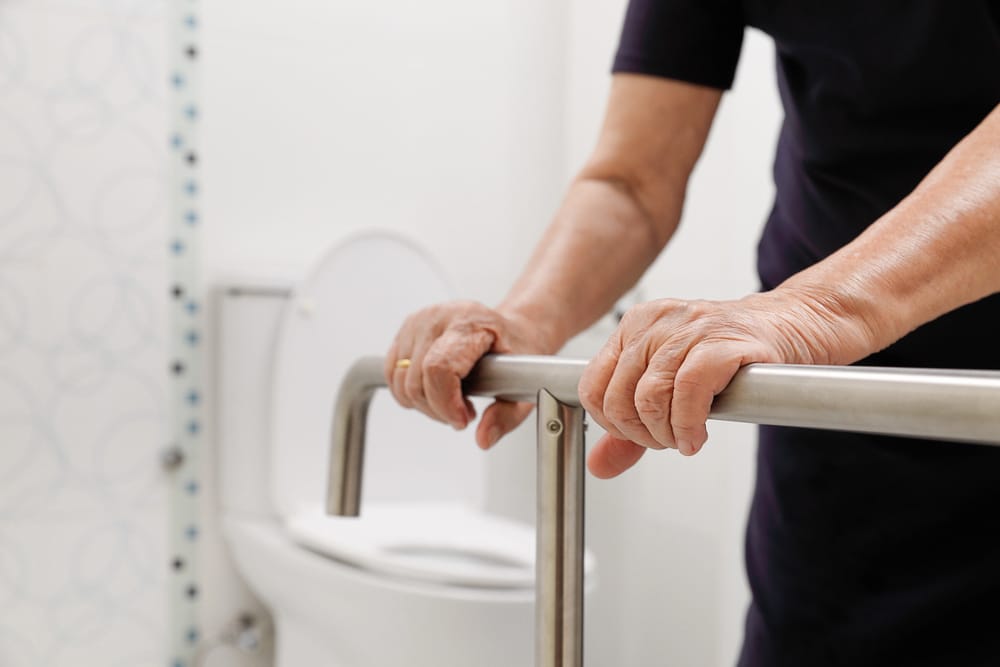
The bathroom often receives little attention until something goes wrong. It becomes one of the most physically demanding rooms in the home for elderly adults due to tight spaces, hard surfaces, and constant exposure to water.
National data show that a significant portion of injuries among older adults occur in bathrooms, often during everyday routines such as showering or using the toilet. These incidents interrupt independence and place emotional and physical strain on families.
Creating a safer bathroom does not require turning a home into a clinical space. Thoughtful design choices and minor adjustments can transform daily routines into calmer, more predictable experiences. A safer setup protects mobility, preserves dignity, and allows loved ones to remain at home longer.
This guide expands on proven strategies drawn from real caregiving environments and focuses on practical improvements on bathroom safety for elderly that fit real households.
Bathroom Safety for Elderly Adults Begins with Observation
Bathroom safety for elderly adults often improves most when families slow down and observe how the space functions during real, everyday routines. Falls rarely happen during ideal conditions. They occur during rushed mornings, late-night bathroom trips, or moments when joints feel stiff and balance feels uncertain. Lighting changes, fatigue, and limited mobility all influence how safely someone moves through the bathroom at different times of day.
Caregivers and family members often notice subtle changes before a major incident. These minor warning signs offer valuable insight into what needs attention next.
Common indicators that bathroom safety needs improvement include:
- Hesitation or pausing before stepping into the shower or tub
- Hands reaching for walls, counters, or towel bars for balance
- Difficulty standing up after sitting on the toilet or a chair
- Shuffling steps or reduced confidence when turning in tight spaces
- Avoidance of bathing routines due to discomfort or fear
Viewing the bathroom through the lens of daily movement reveals how design affects safety. Entry points influence stability, turning space affects balance, and reach zones determine how often someone must stretch or bend. Thoughtful adjustments made at this stage reduce injury risk and allow families to stay proactive.
- Improve Visibility from Bedroom to Bathroom
A safe bathroom experience begins before anyone reaches the doorway. Dim hallways and cluttered walkways make nighttime trips especially risky. Clear, direct paths reduce hesitation and awkward steps, particularly for individuals who wake up stiff or disoriented.
Lighting upgrades play a central role here. Bright but gentle lighting along hallways and near door frames helps aging eyes adjust without discomfort. Motion-sensor night lights near the floor guide movement without requiring switches. Light consistency matters, so sudden dark-to-bright transitions should be avoided.
Doorways deserve attention as well. Walkers, canes, and wheelchairs need adequate clearance, and narrow entrances force awkward movements. Wider door frames improve access today and prepare the home for future mobility changes.
- Choose Flooring that Prioritizes Traction
Slippery floors contribute to many bathroom injuries, especially when tile or stone surfaces become wet. Water overspray from sinks and showers creates invisible danger zones that cause sudden loss of footing.
Textured flooring materials such as slip-resistant vinyl or matte-finish tile provide better traction without sacrificing appearance. High-quality non-slip mats can be a practical option when replacing flooring is not feasible. They must sit completely flat and remain firmly anchored so they do not shift or bunch underfoot.
Regular inspection helps maintain safety. Small leaks from faucets or condensation buildup near tubs can keep floors damp throughout the day. Quick repairs reduce ongoing risk and help caregivers maintain a predictable environment.
- Use Grab Bars as Functional Design Elements
Grab bars remain one of the most effective bathroom safety devices for seniors because they provide stability during the moments that matter most. Transitions such as stepping into a shower or standing from the toilet demand balance and strength, which often decline with age.
Placement matters more than quantity. Bars installed near shower entrances, inside shower walls, and beside toilets create natural handholds during movement. Vertical bars assist with pulling upright, and horizontal bars help maintain balance once standing.
Professional installation into wall studs offers bars with the strength required to support full body weight. When placed thoughtfully, grab bars blend into the space and quickly become trusted tools rather than reminders of limitation.
- Reduce Risks at the Shower Entry
Stepping over a tub wall requires balance, flexibility, and coordination, making it one of the most hazardous movements in the bathroom. A safer shower entry transforms daily hygiene from a stressful task into a manageable routine.
Low-threshold showers eliminate the need to lift legs over high edges. Transfer benches enable seated movement into the bathing area, reducing joint strain. Handheld shower heads allow bathing without constant repositioning or reaching.
Clear shower doors or light-colored curtains improve visibility inside the shower, helping users orient themselves more easily. Secure non-slip mats add traction underfoot and help maintain stability throughout the shower.
- Maintain Safe Water Temperature Control
Water-temperature accidents often occur faster than expected. Sensitivity to heat changes with age, and sudden temperature spikes can lead to serious burns.
Thermostatic mixing valves regulate water flow and prevent unexpected temperature changes. Water heaters set to safe temperature limits reduce the risk of burns throughout the home. Periodic checks keep settings consistent, especially after maintenance or plumbing work.
Temperature control contributes to a calmer bathing experience and reduces anxiety for both users and caregivers.
- Make Toilet Transfers Easier and Safer
Standing up and sitting down require strength and balance, which makes standard-height toilets challenging for many older adults. Repeated strain on knees and hips increases fatigue and instability.
Raised toilet seats reduce the distance required to sit and stand, easing pressure on joints. When paired with grab bars or safety frames, transfers become more controlled and predictable. Adequate space around the toilet allows caregivers to assist without awkward positioning.
Small adjustments in this area often lead to noticeable improvements in confidence and daily comfort.
- Organize Essentials Within Easy Reach
Reaching overhead or bending toward the floor increases fall risk, particularly on wet surfaces. Storage placement should follow movement patterns rather than decoration preferences.
Daily-use items such as towels, toiletries, and grooming tools should be kept within arm’s reach. Wall-mounted shelves and shower caddies reduce the need to stretch or lean. Consistent organization helps caregivers maintain routines without rushing or improvising.
A well-organized bathroom reduces unnecessary movement and supports safer daily care.
- Add Seating for Rest and Stability
Extended standing during grooming increases fatigue and balance issues, especially during morning routines. Seating options provide relief and allow tasks to continue without strain.
Shower chairs offer stability during bathing, and stools near the sink allow seated grooming. Space planning remains important since crowded bathrooms create new obstacles. In some homes, relocating grooming routines to a nearby vanity improves comfort and safety. Seating supports pacing and allows individuals to move through routines without rushing.
- Address Sharp Edges and Tight Layouts
Bathrooms often feature hard surfaces with sharp corners, increasing the risk of injury from slips or missteps. Vanity edges, sink corners, and exposed hardware deserve close attention.
Rounded fixtures reduce impact risk, and edge guards soften existing corners without requiring full replacement. Open floor layouts allow smoother movement for both users and caregivers. Small layout adjustments improve safety without altering the home’s character.
- Prepare for Emergencies with Accessible Alerts
Even a thoughtfully designed bathroom cannot eliminate every risk, especially as mobility and balance change over time. What makes the greatest difference during an emergency is how quickly help becomes available. Falls and medical episodes often occur suddenly, and the ability to call for assistance without moving far can prevent a minor incident from becoming a serious injury.
Accessible alert systems add an extra layer of protection in the bathroom, which remains one of the most high-risk areas in the home. Emergency call buttons placed near the shower, bathtub, or toilet allow help to be summoned immediately after a slip or loss of balance. Waterproof designs perform reliably in humid and wet environments, keeping them functional where they are needed most.
How Caregiver Programs Fit Into Bathroom Safety Planning
Home safety improvements often align with caregiving goals, especially for families participating in state-funded programs. Bathroom modifications support daily care routines and help reduce the risk of injury for both caregivers and loved ones.
Families in Colorado can use the Colorado In-Home Supportive Services (IHSS) program to receive compensation for caregiving responsibilities. A safer bathroom allows care tasks to flow more predictably and reduces strain on everyone involved.
Many households exploring options as a Colorado paid caregiver ask how to prepare the home environment. Bathroom safety upgrades are often among the priorities due to their immediate impact on daily life.
Creating Safer Bathrooms that Support Life at Home
Bathroom safety for seniors shapes daily comfort, independence, and peace of mind. Thoughtful improvements reduce injuries and allow loved ones to remain in familiar spaces longer. These changes also make caregiving more manageable, especially for families balancing work, medical needs, and emotional connection.
At Voyager Home Health Care, our work centers on helping families care for loved ones at home with dignity and stability. When the bathroom feels safer, daily routines become calmer and more predictable, which benefits everyone involved.
Families seeking guidance on caregiving options, home safety planning, or paid caregiver programs can contact our team. Connect with us today to explore next steps that fit your family’s needs.
