
Living with cerebral palsy in adulthood often means navigating spaces that were not designed with long-term mobility differences in mind. Even so, staying active remains important for physical health, emotional well-being, and overall quality of life.
At Voyager Home Health Care, we work with families and caregivers who want realistic ways to help adults with cerebral palsy remain engaged without turning daily life into a series of medical tasks. Many resources focus heavily on childhood therapy, leaving adults and their caregivers seeking age-appropriate, motivating, and achievable ideas for home use.
Cerebral palsy affects movement, posture, and coordination in different ways, and no two adults experience it the same way. Some adults manage spasticity primarily in their legs; others struggle with fine motor control in their hands; and many experience fatigue that limits how much activity feels manageable on a given day.
Research and lived experience both show that consistent, meaningful movement matters more than intensity. This is especially true when activities connect naturally to daily routines and personal interests.
This guide offers a curated list of practical and engaging options grounded in therapy principles, adaptive strategies, and real-life caregiving experience. The focus is on simple activities for adults with cerebral palsy that feel sustainable rather than overwhelming.
Simple Activities for Cerebral Palsy Adults that Fit Daily Life
Daily routines already hold countless opportunities for movement and engagement when approached with flexibility and creativity, and many adults respond best to activities that feel familiar rather than clinical.
- Adaptive Cooking and Meal Preparation
Cooking offers far more than nutrition, since it invites creativity, routine, and purposeful movement. Adults with cerebral palsy often enjoy participating in meal preparation through tasks such as measuring ingredients, stirring mixtures, seasoning dishes, or arranging plates. These activities support fine and gross motor practice in a relaxed, pressure-free environment.
Adaptive kitchen tools such as electric mixers, food processors, non-slip mats, and one-handed cutting boards open access for those with limited grip or coordination. Meal preparation can range from simple two-ingredient snacks to more involved recipes, depending on energy levels. The sense of accomplishment that comes from contributing to a shared meal often carries emotional value that extends beyond physical movement.
- Seated Stretching and Guided Mobility
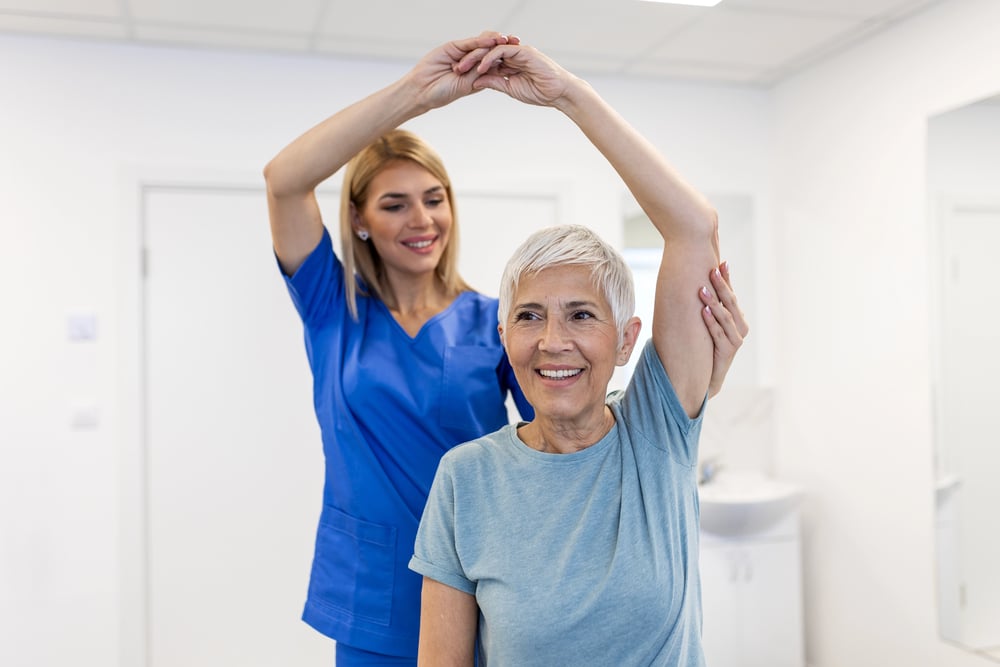
Gentle stretching from a seated position helps adults maintain flexibility and joint comfort without the strain that standing exercises can cause. Movements such as ankle rotations, towel-assisted seated hamstring stretches, shoulder rolls, and guided arm reaches help manage muscle tightness and promote circulation.
Many families incorporate these movements into morning or evening routines, which helps the activity feel like a natural part of the day rather than a scheduled therapy block. Over time, these sessions can improve comfort during transfers, sitting, and sleep.
- Music-Based Movement and Rhythm Activities
Music often opens the door to movement in a way that feels natural. It’s constructive for adults who experience fatigue or frustration with traditional forms of exercise. Rhythm creates structure without rigid expectations, allowing the body to respond at its own pace and within its own limits.
Simple actions such as tapping hands to a beat, moving arms or shoulders in time with a favorite song, or gently shifting posture during music sessions can introduce meaningful motion. Playing percussion instruments, experimenting with simple keyboards, or exploring rhythm-based tools encourages participation across a wide range of ability levels. Instruments such as drums and pianos work particularly well for one-handed play, allowing individuals to engage comfortably and creatively.
Many adults discover that music reduces self-consciousness around movement and replaces repetition with enjoyment. Over time, these rhythm-based activities often become something to look forward to rather than something that feels required, which helps sustain consistent, enjoyable engagement.
Activities for Adults with Cerebral Palsy that Encourage Engagement
Engagement grows when activities align with personal interests. They offer a sense of expression or contribution rather than focusing solely on physical outcomes.
- Painting and Creative Art Projects
Art activities create space for self-expression while also encouraging fine motor engagement, posture control, and focus. Painting from a seated position works well for many adults, and adaptive tools like universal cuffs or weighted brushes help maintain grip.
Some individuals prefer using sponges, textured rollers, or even finger painting, which adds sensory input and variety. Art sessions do not require a finished product to feel successful, since the act of creating often holds equal value to the result.
- Gardening with Accessible Setups
Gardening provides gentle physical activity, along with routine and responsibility. Container gardens, raised planters, or indoor herb boxes allow adults to water plants, prune leaves, and plant seeds without bending or kneeling.
These tasks encourage arm movement, coordination, and attention, and many adults enjoy watching tangible results grow over time. Gardening also creates opportunities for outdoor exposure, which can positively influence mood and daily routine.
- Interactive Games and Cognitive Play
Games bring together movement, problem-solving, and social interaction in a way that feels relaxed rather than instructional. Card games, adaptive board games, and large-piece puzzles encourage hand use and cognitive engagement, especially when played with family members or caregivers. These activities often adapt easily to changing energy levels, keeping sessions enjoyable without physical strain.
Movement-Focused Options that Remain Flexible
Physical activity does not require high intensity to be meaningful, especially for adults managing spasticity, joint discomfort, or fatigue.
- Assisted Standing and Transfer Practice
Supported standing using walkers, parallel bars, or standing frames allows adults to bear weight safely and maintain bone health and circulation.
Short sessions of assisted standing or stepping, guided by a caregiver, often fit naturally into daily routines such as transferring from bed to chair. Over time, these moments help preserve mobility and reduce prolonged inactivity.
- Swimming and Water-Based Movement
Water-based activities provide gentle resistance and buoyancy, reducing stress on joints and allowing freer movement. Many adults with cerebral palsy enjoy walking in shallow water, floating, or performing guided movements during pool sessions.
Aquatic environments also provide sensory input that encourages relaxation and engagement, making swimming a valuable option for those who find land-based movement challenging.
Supported Living Services for Developmentally Disabled Adults
Supported living services for adults with developmental disabilities focus on independence, participation, and daily quality of life rather than rigid schedules. Home-based care allows activities to happen in familiar environments, which often increases comfort and consistency. Family caregivers play a core role in this model, especially when programs allow loved ones to receive compensation for care already provided.
In Colorado, families often explore services through the Colorado In-Home Supportive Services (IHSS) program, which helps eligible caregivers with daily activities, including mobility, personal care, and engagement at home. Access to these programs makes it easier to maintain consistent routines.
These routines can include movement, creativity, and social connection without disrupting established living arrangements.
- Technology-Assisted Hand and Coordination Games
Digital tools and adaptive gaming systems combine entertainment with repetitive hand movements that promote coordination.
Touchscreen games, motion-based controllers, and one-handed devices allow adults to engage at their own pace. These tools also help maintain focus and motivation during play. Technology-based activities also offer variety, which helps prevent boredom and keeps participation consistent over time.
- Community Outings with Personalized Assistance
Community participation adds variety and social interaction to daily routines. Short outings to parks, libraries, concerts, or sporting events help adults stay connected beyond the home. Transfers, walking, or wheelchair mobility during these outings introduce gentle physical engagement. The change of scenery often offers emotional benefits as well.
Families who participate in paid caregiver programs through Colorado paid caregiver services often find it easier to plan and maintain these outings. This is because caregiving responsibilities receive financial recognition alongside emotional commitment.
Bringing Activity Into Everyday Care
Meaningful activity does not require elaborate planning or specialized equipment. Many adults with cerebral palsy benefit most from consistent engagement that fits naturally into daily routines and personal interests. Over time, these activities contribute to physical comfort, emotional well-being, and a stronger sense of participation in daily life.
At Voyager Home Health Care, we recognize that families want care models that respect individuality and real-life routines. Our approach emphasizes responsiveness, flexible scheduling, and guidance that adapts to different needs.
Families value our consistent availability and responsive support. Same-day assessments are offered when possible, along with round-the-clock phone access. This flexibility allows care plans to adjust quickly while preserving established routines.
Creating Sustainable Routines with Purpose
Staying active with cerebral palsy in adulthood often comes down to finding activities that feel meaningful rather than forced. Cooking, art, music, movement, and community engagement all offer opportunities to remain involved in daily life at a comfortable pace. When activities align with personal interests and energy levels, consistency becomes easier to maintain.
Families seeking guidance around supported living services or paid caregiving options can benefit from personalized care planning that reflects real needs rather than generic solutions. To explore how home-based care can align with daily routines and long-term goals, contact our team and learn how Voyager Home Health Care can support meaningful engagement at home.
